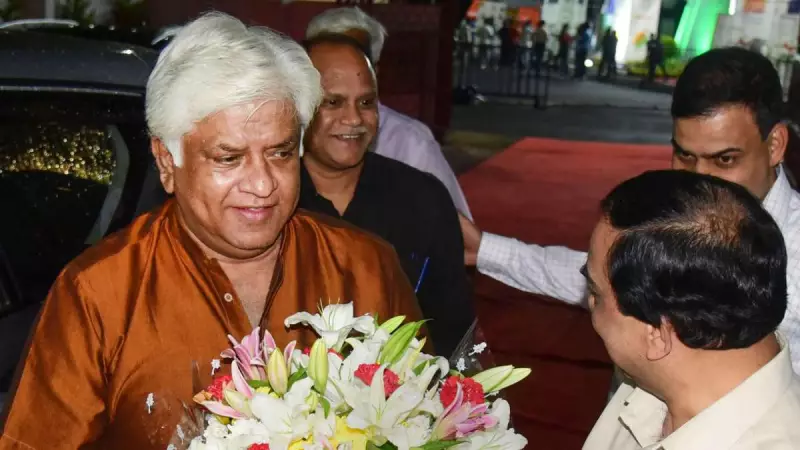
Sri Lankan cricket legend and former captain Arjuna Ranatunga, who led the nation to its historic 1996 World Cup victory, is facing imminent arrest. The arrest is linked to serious corruption allegations stemming from his tenure as the country's Minister of Petroleum.
Corruption Allegations and the Petroleum Deal
The Colombo Chief Magistrate's Court has issued an arrest warrant for the 61-year-old former cricketer. The charges are related to a controversial deal involving the procurement of renewable fuel, specifically 12,000 metric tonnes of furnace oil, during his time as minister. The case alleges that this deal, which was finalized with a company named Trillium Partners, caused a significant financial loss to the state-owned Ceylon Petroleum Corporation (CPC).
Investigations by Sri Lanka's Commission to Investigate Allegations of Bribery or Corruption (CIABOC) have been ongoing. The authorities assert that Ranatunga, while serving as the Minister of Petroleum Resources Development, abused his official position. The alleged misconduct facilitated the deal in a manner that was not in the national interest, leading to the substantial loss for the CPC.

Legal Proceedings and Ranatunga's Response
The legal action marks a dramatic turn for the celebrated sports icon. The court has directed the Criminal Investigation Department (CID) to execute the warrant and produce Ranatunga before the court. This development follows a period of intense scrutiny and investigation into the deal, which has been a point of political and public debate.
Arjuna Ranatunga has consistently denied any wrongdoing. His legal team is expected to challenge the arrest warrant. The news has sent shockwaves through the cricketing community and the wider public, both in Sri Lanka and across the world, where he is revered for his leadership and contribution to the sport.
Fallout for a National Hero
The potential arrest of Arjuna Ranatunga represents one of the most high-profile corruption cases in Sri Lanka in recent years. It underscores the ongoing anti-corruption drives within the country. For millions of cricket fans, Ranatunga remains the defiant captain who lifted the World Cup, making this legal battle a poignant and unsettling chapter in his post-cricket career.
The case also highlights the challenges faced by former athletes who transition into the volatile arena of politics. Ranatunga served as a cabinet minister on multiple occasions, and this case is directly tied to his political responsibilities. The outcome of this legal process will be closely watched, as it involves a figure who is not just a politician but a symbol of national pride and sporting excellence.