AIMIM Alleges Religious Discrimination in Team India's T20 World Cup Squad Selection
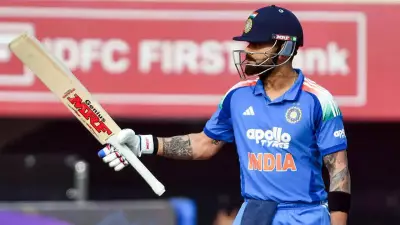
In a controversial statement that has ignited widespread debate, All India Majlis-e-Ittehadul Muslimeen (AIMIM) leader Asaduddin Owaisi has alleged that star fast bowlers Mohammed Shami and Mohammed Siraj were excluded from India's squad for the upcoming T20 World Cup because they are Muslims. This accusation, made in Maharashtra, has drawn sharp reactions from political and cricketing circles, raising questions about fairness and inclusivity in national team selections.
The Core Allegation and Its Context
Owaisi's claim centers on the omission of Shami and Siraj from the 15-member Indian team announced for the T20 World Cup, scheduled to be held later this year. Both players have been key performers for India in recent years, with Shami known for his lethal pace and Siraj for his consistent wicket-taking abilities. According to Owaisi, their exclusion is not based on cricketing merit but stems from religious bias, suggesting a discriminatory pattern in the selection process.
The political leader emphasized that this move undermines the principles of secularism and equal opportunity in sports. He pointed out that Shami and Siraj have delivered match-winning performances in international cricket, making their absence from the squad questionable from a purely sporting perspective. This allegation comes amid ongoing discussions about diversity and representation in Indian cricket, which has historically seen players from various backgrounds.

Reactions and Broader Implications
The Board of Control for Cricket in India (BCCI) and team selectors have not officially responded to Owaisi's allegations as of now. However, cricket analysts and fans have expressed mixed views. Some argue that team selection should be based solely on form, fitness, and strategy, while others acknowledge the need for greater transparency to avoid such controversies.
This incident highlights the intersection of sports and politics in India, where team selections often become subjects of public scrutiny. In Maharashtra, where the allegation was made, local political groups have echoed concerns about potential bias, calling for an impartial review of the selection criteria. The controversy also touches on broader issues of minority representation in national institutions, with critics urging the BCCI to ensure that decisions are free from any form of discrimination.
Historical Performance and Selection Criteria
Mohammed Shami, with over 200 wickets in ODIs and a strong record in T20s, has been a mainstay in India's bowling attack. Similarly, Mohammed Siraj has risen through the ranks with impressive spells in Test and limited-overs cricket. Their exclusion has led to speculation about the selectors' priorities, such as focusing on younger players or specific playing conditions for the T20 World Cup.
- Shami's experience in high-pressure tournaments like the ICC Cricket World Cup.
- Siraj's recent performances in bilateral series and the Indian Premier League (IPL).
- The competitive nature of India's pace bowling department, with other players like Jasprit Bumrah and Arshdeep Singh being selected.
Despite this, Owaisi's allegation suggests that factors beyond cricket may have influenced the decision, sparking calls for the BCCI to clarify the rationale behind the squad announcement. This controversy could impact team morale and public perception ahead of a major global event.
Looking Ahead: Calls for Accountability and Fairness
As the debate intensifies, there is growing demand for the BCCI to address these allegations openly. Sports enthusiasts and activists are advocating for clear, merit-based selection policies to prevent future disputes. The incident serves as a reminder of the importance of upholding integrity in sports, where talent and performance should be the sole determinants of inclusion.
In conclusion, while the T20 World Cup squad aims to bring glory to India, this controversy underscores the need for transparency and inclusivity in the selection process. Whether Owaisi's claims hold merit remains to be seen, but they have undoubtedly sparked a necessary conversation about equality in Indian cricket.