In a shocking revelation that has sent shockwaves through the international cricket community, a former Afghanistan cricketer has strongly condemned Pakistani airstrikes that resulted in the deaths of fellow cricket players. The tragic incident highlights the ongoing tensions in the region while underscoring the remarkable growth of Afghan cricket against all odds.
The Tragic Airstrikes and Their Impact
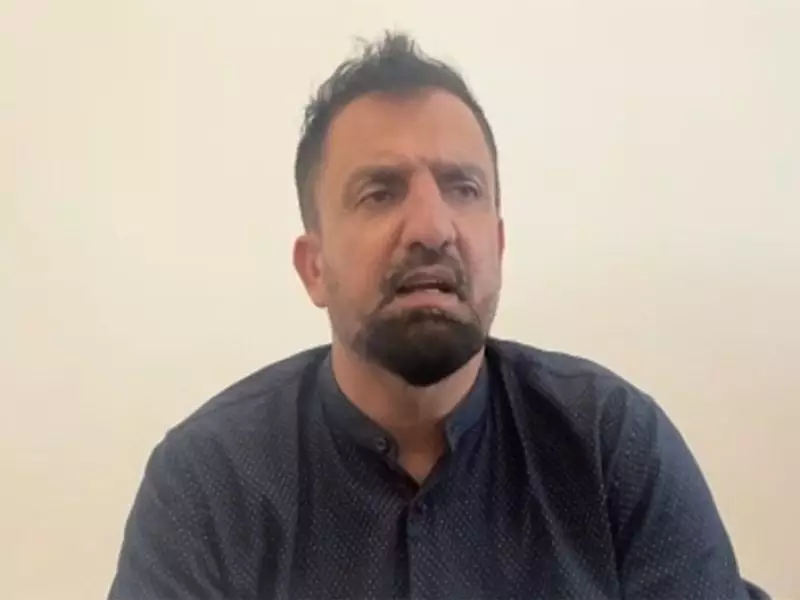
Former Afghanistan cricketer Raees Ahmadzai recently revealed the devastating impact of Pakistani airstrikes on his nation's cricket community. According to Ahmadzai, multiple Afghan cricketers lost their lives during these military operations, creating an irreplaceable void in the country's sporting landscape.
The emotional condemnation came during an interview where Ahmadzai didn't mince words about the tragic consequences of the cross-border strikes. The exact number of cricketers killed remains unspecified, but the loss has undoubtedly affected Afghanistan's cricket infrastructure at multiple levels, from grassroots development to potential national team prospects.
BCCI's Pivotal Role in Afghan Cricket Development
Amidst the tragedy, Ahmadzai took the opportunity to acknowledge and appreciate the Board of Control for Cricket in India (BCCI) for its instrumental role in nurturing and developing cricket in Afghanistan. The BCCI provided crucial support that helped transform Afghanistan from an associate nation to a full ICC member with remarkable competitive capabilities.
The Indian cricket board's assistance included providing training facilities, hosting matches, and offering technical expertise during Afghanistan's formative years in international cricket. This support proved vital in helping Afghan cricketers hone their skills and gain exposure to high-quality competitive environments.
"The growth we've seen in Afghan cricket would have been considerably more challenging without BCCI's consistent support," Ahmadzai emphasized during his statements, highlighting the strategic partnership between the two cricket boards.
Broader Implications for Cricket and International Relations
The condemnation of Pakistani airstrikes by a prominent sports figure brings to light the complex intersection of sports, politics, and international relations in South Asia. Cricket, often seen as a unifying force, finds itself entangled in geopolitical tensions that extend far beyond the boundary ropes.
This incident raises important questions about the safety and security of athletes in conflict zones and the responsibility of nations to protect sporting talent. The international cricket community now faces difficult conversations about how to support players from nations experiencing political instability and military conflicts.
The resilience shown by Afghan cricketers continues to inspire sports enthusiasts worldwide. Despite facing unprecedented challenges, including security threats and infrastructure limitations, they have managed to produce world-class players who compete at the highest level of international cricket.
As the story develops, the global cricket community watches closely, hoping for peaceful resolutions that allow the beautiful game to thrive without the shadow of conflict. The courage of voices like Ahmadzai's serves as a powerful reminder that sports can and should transcend political boundaries.