Badminton World Federation's Synthetic Shuttle Trials Ruffle Feathers
The Badminton World Federation (BWF) has initiated trials for synthetic shuttlecocks, a move that is causing significant controversy within the global badminton community. This development comes as the sport grapples with the ethical and practical implications of its traditional equipment.
The Core of the Controversy
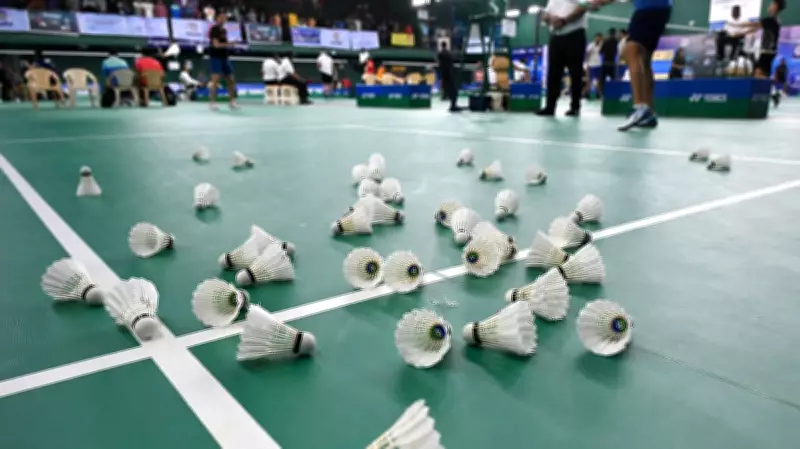
At the heart of the debate lies the fundamental nature of badminton's essential gear. A standard shuttlecock is meticulously crafted from 16 feathers, typically sourced from a single goose or duck, with a preference for feathers from the left wing. This precise construction is critical for achieving the optimal flight, speed, and stability that professional players rely on during high-stakes matches.
The reliance on avian feathers raises several pressing issues:

- Animal Welfare Concerns: The process of feather harvesting has come under scrutiny from animal rights groups, who question the ethical treatment of birds in the supply chain.
- Supply Chain Vulnerabilities: The dependency on a specific number and type of feathers makes the shuttlecock supply susceptible to fluctuations in poultry farming, disease outbreaks, and environmental factors affecting bird populations.
- Consistency and Quality: While feather shuttles offer superior performance, their natural origin leads to variations in durability and behavior, posing challenges for standardization in professional play.
BWF's Push for Innovation
In response to these challenges, the BWF has embarked on rigorous testing of synthetic alternatives. These trials aim to evaluate whether man-made materials can replicate or even enhance the aerodynamic properties of traditional feather shuttles. The federation's goal is to develop a shuttlecock that maintains the sport's integrity while addressing sustainability and ethical concerns.
Potential benefits of synthetic shuttlecocks include:
- Enhanced Durability: Synthetic materials may offer longer-lasting performance, reducing the frequency of shuttle replacements during matches and training sessions.
- Cost-Effectiveness: Over time, mass production of synthetic shuttles could lower costs for players and organizations, making the sport more accessible.
- Environmental and Ethical Advantages: By eliminating the need for animal feathers, synthetic options could align badminton with growing global trends toward cruelty-free and sustainable sports equipment.
Player and Industry Reactions
The introduction of synthetic shuttle trials has elicited mixed reactions from key stakeholders. Many top athletes express apprehension, fearing that any alteration to the shuttlecock could disrupt the nuanced skills and strategies that define elite badminton. They argue that the unique flight pattern of feather shuttles is integral to the sport's character and competitive balance.
Conversely, some players and coaches welcome the innovation, highlighting the potential for more consistent play and reduced equipment expenses. Industry experts note that successful adoption of synthetic shuttles could revolutionize badminton, similar to how synthetic materials transformed other sports like tennis and football.
As the BWF continues its evaluations, the badminton world watches closely. The outcome of these trials could herald a new era for the sport, balancing tradition with progress. Whether synthetic shuttlecocks will soar to acceptance or be grounded by resistance remains to be seen, but one thing is clear: the feathers are certainly flying in this heated debate.