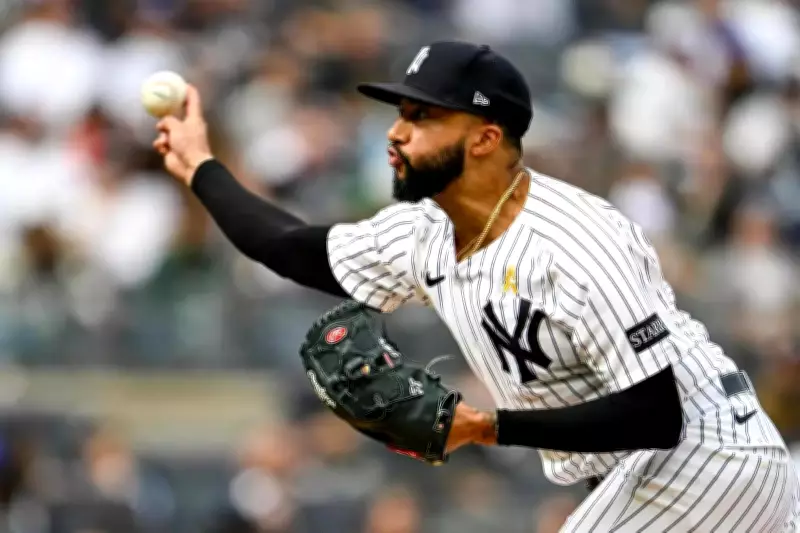
Hypothetical 2026 Trade Scenario: Yankees Eyeing Randal Grichuk for Postseason Depth
While no confirmed trade currently exists that would send veteran outfielder Randal Grichuk from the Arizona Diamondbacks to the New York Yankees to support Trent Grisham, such speculation follows familiar MLB deadline patterns. If reports surfaced during the 2026 season, they would reflect a classic contender strategy: adding experienced players while another organization moves veterans for future assets.
Why This Trade Makes Strategic Sense for Both Teams
Should rumors emerge in July 2026, the reasoning would be straightforward. The Yankees, focused on a postseason campaign, would seek a right-handed power hitter who could step into the lineup without weakening offensive production. This move would simultaneously allow Grisham occasional rest while maintaining balanced batting orders.
The Yankees' primary motivation would be strengthening their playoff roster with additional power options. Grichuk could serve effectively as a designated hitter against left-handed pitching or start in either corner outfield position, providing valuable versatility during crucial late-season games.

Meanwhile, Arizona might consider moving the 34-year-old veteran if the team undergoes retooling. Converting short-term assets into prospects represents standard deadline strategy for teams planning longer-term roster construction.
Potential Trade Structure and Financial Implications
New York Yankees would receive:
- Randal Grichuk, OF/DH - one-year contract worth approximately $2 million with a $5 million mutual option for 2027 or a $3 million buyout clause
Arizona Diamondbacks would receive:
- One mid-tier prospect from Low-A or High-A levels, or a depth reliever with minor-league options
- Approximately $1.5-2 million in payroll relief for the remainder of the 2026 season
This arrangement would have the Yankees assuming remaining salary and option decisions while Arizona gains future assets rather than potentially losing a veteran player through free agency.
Statistical Analysis and Player Profiles
Randal Grichuk brings substantial offensive credentials to any potential trade scenario. His career statistics demonstrate consistent power production:
Career batting profile:
- Average/On-base/Slugging: Approximately .255/.300/.460
- Home runs per 600 plate appearances: 22-24
- Isolated power (ISO): Around .205
- Weighted runs created plus (wRC+): 100-105 (slightly above league average)
Grichuk's 2024 performance was particularly impressive, featuring .291/.348/.528 slash line with 12 home runs and 46 RBI across 106 games. This production indicates he remains capable of meaningful contributions when deployed in appropriate roles.
Basic player profile for 2026:
- Age: 34 years
- Contract status: Short-term commitment
- Expected role: Fourth outfielder and designated hitter
Comparative Analysis: Grichuk Versus Grisham
The potential trade creates interesting roster dynamics when comparing the two primary outfielders:
Randal Grichuk (age 34):
- Batting: Right/right
- Offensive profile: Power-oriented with approximately 22-24 home runs per 600 plate appearances
- Defensive assessment: Below-average outfielder by advanced metrics
Trent Grisham (age 29):
- Batting: Left/right
- Offensive profile: Approximately 15-17 home runs per 600 plate appearances
- Defensive assessment: Elite center-field defender with exceptional range and speed
Together, these players would provide the Yankees with superior defensive coverage in center field combined with enhanced power potential from corner outfield or designated hitter positions.
Strategic Benefits and Potential Drawbacks
New York Yankees' advantages:
- Addition of right-handed power hitting
- Improved roster coverage if Grisham requires rest or misses playing time
- Lower acquisition cost compared to most free-agent hitters
- Versatility to play multiple outfield positions
Potential concerns for Yankees:

- Age-related risks and injury history
- Below-average defensive capabilities, particularly in center field
- Mutual option could become expensive if performance exceeds expectations
Arizona Diamondbacks' benefits:
- Salary reduction and payroll flexibility
- Addition of prospect or bullpen depth for future seasons
- Alignment with potential roster reset strategies
Potential drawbacks for Diamondbacks:
- Loss of hitter capable of 20+ home run production
- Return package might not develop into impact major league player
Long-Term Implications and Strategic Value
The New York Yankees would gain immediate short-term benefits if Randal Grichuk produces approximately 15-20 home runs in a limited role while stabilizing the lineup during critical stretch-run games. Arizona would benefit most if acquired players develop into major league contributors while the organization avoids committing significant resources to an aging outfielder with declining defensive value.
If executed, this type of transaction would represent practical deadline reinforcement rather than franchise-altering roster transformation. Such moves often prove most valuable during postseason competition when depth becomes paramount, though they rarely determine long-term organizational direction.
This hypothetical scenario illustrates how MLB teams balance immediate competitive needs against future roster planning, particularly as trade deadlines approach and postseason aspirations intensify.