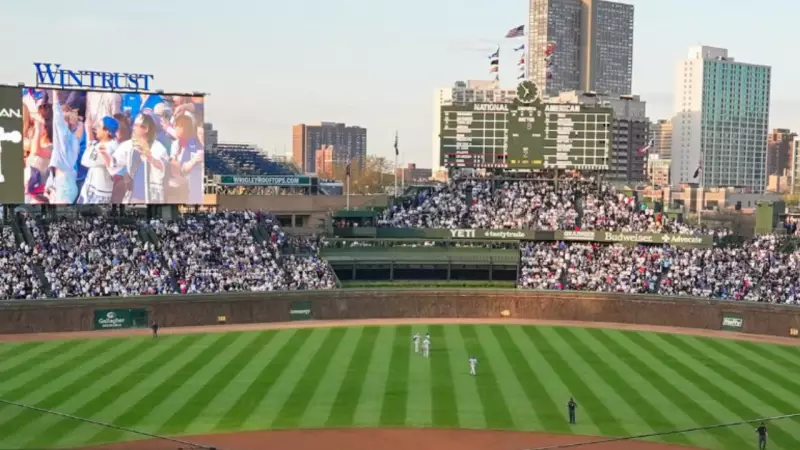
Wrigley Field proudly stands as a timeless treasure in the world of baseball. It completely avoids the modern mega-stadium trend. This very fact cements its status as one of the sport's crown jewels. The Chicago Cubs call this iconic park home. It feels small, bursts with noise, and blends perfectly into its vibrant neighborhood. Few ballparks anywhere can match the authentic atmosphere that Wrigley provides.
The Intimate Experience of Wrigley Field
Every game at Wrigley Field offers a uniquely intimate experience. It does not matter if you are sitting in the first row or high up in the upper deck. The ivy-covered outfield walls create a classic backdrop. Rooftop views from buildings across the street add to the charming scene. This closeness to the action is a key part of Wrigley's magic.
Official Capacity and Modern Balance
The official capacity for Chicago Cubs games is currently 41,649 seats. This number reflects the ballpark's state after recent renovations. These updates carefully balance traditional charm with contemporary standards for safety and fan comfort. Newer stadiums might offer more seats. However, nearly every spot at Wrigley feels close to the game. This intimacy helps explain why the park continues to sell out regularly, even after more than a century of operation.

How Wrigley Field Calculates Its Capacity
The listed capacity of 41,649 includes all standard baseball seating. This encompasses the lower bowl, the upper decks, exclusive club areas, and the famous outfield bleachers. Wrigley's capacity is relatively fixed compared to newer or domed stadiums. Yet, some variability exists based on event setup.
For Cubs games, the placement of broadcast equipment or temporary structures can affect the number of tickets sold. However, it does not change the actual number of physical seats available. Non-baseball events, like concerts, offer even more limited seating. A stage and field protection consume a significant portion of the seating area during these occasions.
A Look Back at Higher Attendance
Historically, Wrigley Field was designed to hold many more fans. The record attendance occurred in 1948. A staggering 47,197 fans packed the park for World Series action. That high figure is no longer possible under modern safety regulations. This evolution shows how the ballpark has adapted over time while fiercely retaining its original character and soul.
Exploring Wrigley Field's Unique Seating Layout
Wrigley Field features a variety of distinct seating zones. The sections closest to the field are known as the Club Box and Field Box. They wrap around the infield, providing the very best views of the game action. These coveted seats make up a large part of the lower bowl.
From the Terrace to the Upper Decks
Above them sits the Terrace Level, often called level 200. These seats offer higher sightlines. Some sections even provide partial overhead coverage. This feature is highly prized given Chicago's famously unpredictable spring and fall weather.
Higher up are the Upper Reserved and Upper Box sections. They deliver a classic, panoramic ballpark view at a more affordable price point, though they are farther from the field itself.
The Famous Bleachers
Right over the outfield walls lie the legendary Budweiser Bleachers. They are a staple of Wrigley Field lore. The bleachers are famous for their electric, energetic atmosphere. They also include premium group areas like The Yard. These spaces are perfect for hosting social gatherings or private events, adding another layer to the Wrigley experience.