Victor Wembanyama Suffers Concussion in Critical Playoff Game
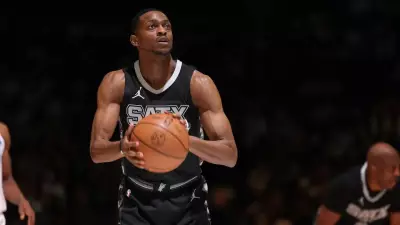
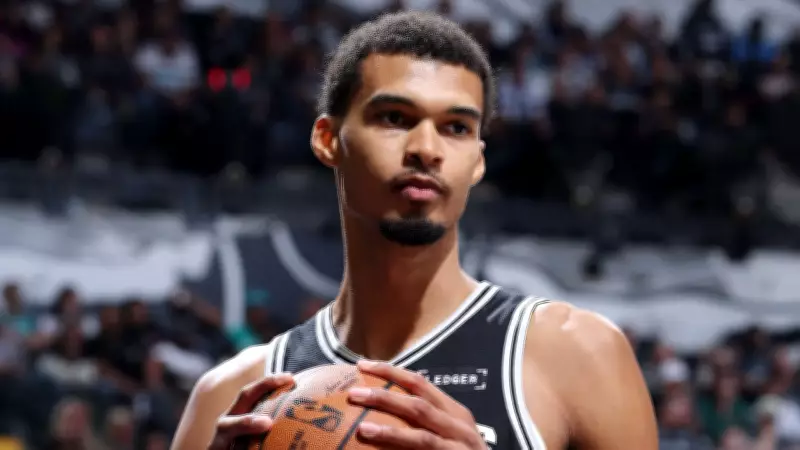
The NBA community watched with collective concern on Tuesday night as San Antonio Spurs sensation Victor Wembanyama was forced to exit Game 2 of the first-round playoff series against the Portland Trail Blazers. The incident occurred when the rookie star hit his face on the court at near-full speed, creating a frightening moment for players, coaches, and fans alike.
The Immediate Aftermath of the Injury
The collision happened with startling speed and appeared particularly severe from the outset. Wembanyama remained motionless on the hardwood for several seconds before gradually rising to a seated position. He briefly communicated with teammate Stephon Castle before jogging directly to the locker room—a telling detail that signaled the seriousness of the situation to observers.
Medical staff have since confirmed the official diagnosis: Wembanyama has sustained a concussion. The Spurs organization announced that the young center will undergo additional testing on Wednesday to assess the full extent of the injury and determine the appropriate recovery pathway.

Understanding Concussions: More Than Just a Buzzword
While the term "concussion" is often used casually in sports conversations, it represents a significant medical condition worthy of deeper understanding. A concussion is classified as a traumatic brain injury that typically doesn't involve bleeding or visible damage on standard medical scans. Instead, it represents a genuine disruption to normal brain function.
When the head experiences sudden impact or violent motion, the brain shifts within the skull cavity. This rapid movement disrupts normal neural activity, essentially creating temporary neurological scrambling. Symptoms can manifest in various ways, including:
- Persistent headaches and dizziness
- Sensitivity to light and sound
- Confusion and memory gaps
- Nausea and balance issues
In Wembanyama's specific case, his initial motionless state with closed eyes before rising and heading to the locker room demonstrated classic concussion indicators that medical professionals recognize immediately.
Why Professional Athletes Face Elevated Risks
For elite competitors like NBA players, concussions carry consequences that extend far beyond immediate symptoms. The brain requires genuine, uninterrupted rest to properly heal—not merely sitting out a practice session or two, but comprehensive neurological recovery. This reality has made sports leagues increasingly cautious in recent years.
The most concerning aspect involves the potential for lasting damage when athletes return too quickly or suffer repeated concussions. The NBA has implemented strict concussion protocols specifically to address these risks. According to league guidelines:
- Players must observe at least 48 hours of complete inactivity following diagnosis
- They must achieve multiple benchmarks while remaining symptom-free
- Clearance requires approval from both team doctors and league protocol directors
The Complex Return-to-Play Process
The NBA's return-to-play protocol involves a graduated progression through multiple stages:
Initial Phase: Light cardiovascular activity and basic movement
Intermediate Phase: Jogging, agility work, and non-contact basketball drills
Advanced Phase: Controlled contact and full practice participation
Critically, any recurrence of symptoms during this process resets the entire recovery timeline, making return dates unpredictable even for medical professionals. Physical therapist Dr. Evan Jeffries emphasized that concussion recoveries typically require 7–10 days under optimal conditions, placing Wembanyama's availability for the remainder of the playoff series in serious doubt.
The Spurs now face significant challenges as they navigate this crucial playoff series without their emerging star, while the basketball world awaits updates on Wembanyama's condition and recovery progress.