US Bandy Teams Leave Finland with Optimism After World Championship
The United States bandy squads returned home from Finland this week with a sense of measured accomplishment. They secured fourth place in the men's tournament and third in the women's competition at the Bandy World Championship. These results reflect both tangible progress and ongoing structural hurdles for the sport in America.
Understanding the Sport and Its Scale
Bandy combines elements of ice hockey and soccer. Teams of eleven players compete on an ice surface that can be four times larger than a standard hockey rink. Players use a small ball, and goalkeepers defend goals standing 2.1 meters high against high-speed shots. This immense scale defines the game but also presents significant development challenges.
For the US program, success is measured beyond just medals. Participation rates, team resilience, and long-term growth are equally important metrics. Coaches Chris Middlebrook, who led the women's team, and Chris Halden, who guided the men's side, emphasized this broader perspective after the tournament.

Sweden's Dominance and the American Reality
Sweden reinforced its status as the world's premier bandy nation in Finland. The Swedish women's team defeated Norway 9-1 in the final, while the men's team beat Finland by an identical score. This dominance has been particularly pronounced since Russia's exclusion from major competitions following the 2022 invasion of Ukraine.
Sweden has now won the last three men's world titles. In the women's event, they have claimed every championship except one since its inception in 2004. This creates a formidable gap for other nations to close.
"To close that gap to Sweden is extremely difficult," Middlebrook admitted. "We try every year but it is a long process. One thing I will say about our players is that they do not get discouraged."
The Infrastructure Challenge in the United States
The sheer size of a bandy rink represents the sport's biggest obstacle in America. Building a full-size facility can cost approximately five million dollars. Operational expenses remain high as well. These factors typically necessitate government or community financial support.
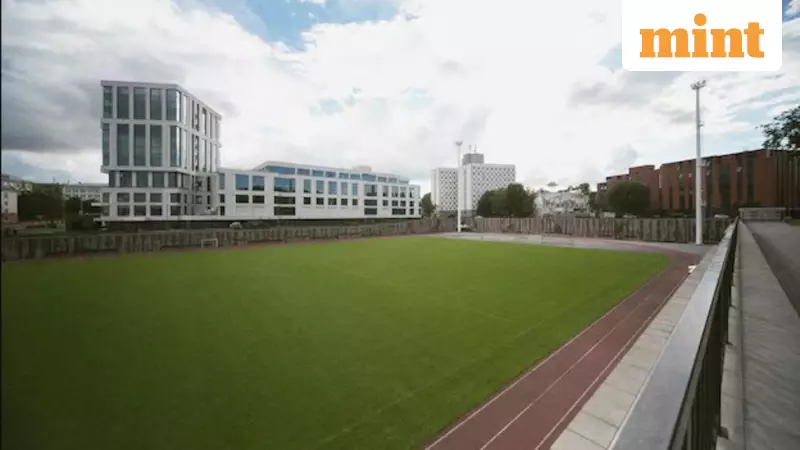
Currently, the United States has only one regulation bandy rink. The John Rose Oval in Roseville, Minnesota serves as the national hub for the sport. All competitive bandy in the country happens at this single location.
"All teams play there, across three men's divisions plus a women's league with three teams," Middlebrook explained. "So effectively four leagues all based at one rink and run by one group of people, all volunteers."
Financial viability for such a facility depends on multi-use functionality. In Minnesota, the oval attracts speed skaters and recreational skaters. It can even be converted into multiple hockey rinks. This diversified usage makes the rink valuable to the broader community.
Adapting for Future Growth
Coach Chris Halden believes practical adaptations are essential for bandy's expansion in America. He advocates starting with smaller venues to lower entry barriers for new players and communities.
"Smaller venues, lower barriers," Halden stated. "It might sound strange to purists but we cannot wait forever. Sweden has indoor rinks and starts training in August. That is a massive advantage and one reason they are getting even better."
This approach could help the sport grow gradually without requiring massive initial investments. It represents a pragmatic path forward given current limitations.
A Foundation Built Over Decades
Despite not reaching the podium's top step in Finland, both American coaches expressed genuine optimism. They highlighted the program's consistency and commitment over forty-five years.
"When you look at the scores, you might miss the bigger picture," Middlebrook noted. "Winning is not the sole purpose of our programme. We always show up. We always compete."
The coaches pointed to steady participation and a dedicated volunteer base as signs of health. These elements form the building blocks for future development, even if medal success remains a distant goal.

"We are proud of what we have built over 45 years, and we will keep going," Middlebrook affirmed. The US bandy community now looks ahead, balancing realistic challenges with determined optimism for the sport's future on American ice.