Reporter's Compassionate Moment With Jaguars Coach Goes Viral
Lynn Jones-Turpin's postgame press conferences with the Jacksonville Jaguars typically follow a predictable pattern. They are brief, routine affairs that quickly fade from memory. However, one recent exchange broke completely from that script and captured national attention.
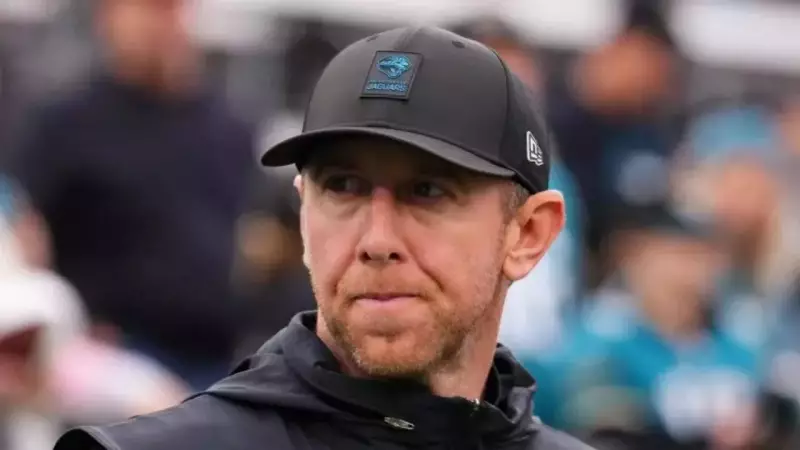
Following the Jaguars' heartbreaking 27-24 playoff loss to the Buffalo Bills, a simple interaction between the veteran reporter and head coach Liam Coen cut through the usual postgame formalities. What should have been a quiet conclusion to the season instead became a flashpoint for broader discussions about sports journalism, professional boundaries, and human empathy.
A Simple Message Sparks Complex Reactions
Jones-Turpin used her brief moment at the microphone to offer words of consolation directly to Coach Coen. Her message was straightforward and heartfelt.

"I'm going to tell you, congratulations on your success, young man," Jones-Turpin said. "You hold your head up. You guys have had a most magnificent season. You did a great job out there today. You just hold your head up, OK? Ladies and gentlemen, Duval. You keep it going. We got another season."
Coen responded softly with "Thank you, ma'am," smiling as the atmosphere in the room noticeably shifted.
That nineteen-second clip ignited social media platforms after ESPN's Adam Schefter shared it, describing the exchange as uplifting. Within hours, millions of people had weighed in with strong opinions.
Divided Opinions on Professional Boundaries
The viral moment triggered a heated debate about the role of emotion in sports journalism. Critics argued that press conferences should maintain professional distance rather than becoming pep rallies. They questioned whether displays of compassion undermine journalistic objectivity.
Supporters pushed back forcefully, asserting that human empathy does not erase professional credibility. They praised Jones-Turpin for recognizing the emotional weight carried by coaches after difficult losses. The debate highlighted ongoing tensions between traditional journalistic detachment and more human-centered approaches in modern sports coverage.
The Reporter Stands By Her Words
Jones-Turpin, a 64-year-old journalist with deep roots in both Detroit and Jacksonville, did not retreat from her comments. She explained her reasoning with characteristic directness.
"I can understand the motivating words, because keep your head up. Why we need to keep talking about the 4th quarter punt, and the this, and the that? The season is over! Why do I need to continue to browbeat you about that?" she said. "That man had the weight of the city on him, and he's only been here a year. You understand what I'm saying here? This is just football."
Her professional background provides important context for this perspective. Jones-Turpin has built her career covering communities as much as sports teams. She has interviewed prominent figures ranging from Barack Obama to Tiger Woods, yet nothing prepared her for suddenly becoming the internet's favorite "auntie" figure.
Staying Grounded Amid the Spotlight
Despite the sudden attention, Jones-Turpin maintained her focus on daily responsibilities. "I gotta go to work. I gotta get the paper out this week!" she reminded everyone, emphasizing that deadlines wait for no viral moment.
As subscriptions surged and messages poured in from across the country, the reporter stayed remarkably grounded. She embraced the unexpected attention without actively chasing it, demonstrating a balanced approach to sudden fame.
In a media landscape often characterized by sharp edges and confrontational approaches, Jones-Turpin's viral exchange served as a powerful reminder. Sports, at their core, remain fundamentally human endeavors involving real people with genuine emotions. Her brief moment of kindness resonated precisely because it acknowledged this basic truth that sometimes gets lost in professional sports coverage.

The conversation continues across sports media circles, with no clear consensus emerging about where exactly to draw the line between professional detachment and human compassion. What began as a nineteen-second exchange has grown into a meaningful discussion about the evolving nature of sports journalism in the digital age.