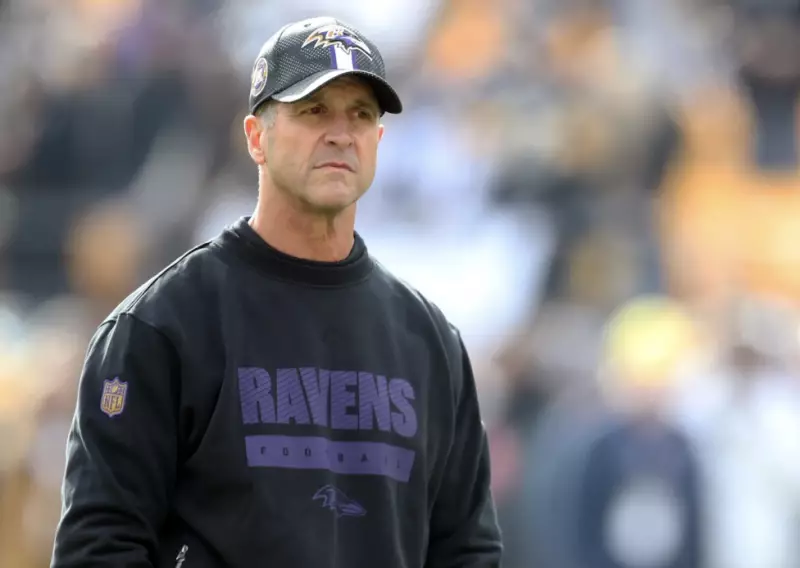
The Baltimore Ravens sent shockwaves through the National Football League on Tuesday by abruptly ending the 17-year tenure of head coach John Harbaugh. The decision marks the conclusion of one of the most stable coaching eras in modern NFL history, leaving players, staff, and fans reeling.
Sudden End to a Legacy
What began as a routine end-of-season day at the Ravens' facility quickly spiraled into a historic dismissal. While coaches were filing reports and staff engaged in normal wrap-up conversations, the expectation was that John Harbaugh would return for the 2026 season, albeit with potential changes around him. The internal assumption pointed towards a gradual evaluation process.
This expectation shattered within hours. By late afternoon, Ravens general manager Eric DeCosta and team president Sashi Brown called an emergency meeting. The seismic news soon emerged: team owner Steve Bisciotti had made the final call to fire Harbaugh. The communication breakdown was so severe that many players discovered the news not through official team channels, but via social media and private messages.

The Unraveling of the 2025 Season
The firing was the culmination of a disastrous 2025 campaign that began with Super Bowl aspirations but descended into chaos. The tone was set by a historic collapse in Week 1, followed by a 1-5 start that matched the worst opening in franchise history. The season was plagued by close losses, embarrassing home performances, and mounting frustration within the locker room.
Quarterback Lamar Jackson found himself at the epicenter of the storm. The team grappled with more injuries, communication issues, and reported declining chemistry between Jackson and the offensive coaching staff. Jackson's frustration became evident when he suggested removing distractions like ping-pong tables and video game systems from the locker room, a clear sign he felt focus and accountability were waning.
Further problems included concerns over internal discord, a lack of roster balance, and dissatisfaction with play-calling. A mid-season winning streak offered a brief respite, but the core flaws—late-game failures, inconsistent availability of key players, and variable leadership—persisted. For owner Steve Bisciotti, the issue transcended a single bad year; it became a question of the team's overall trajectory.
A Comprehensive Evaluation Leads to Change
In a statement to ESPN, Bisciotti described the move as the result of a "comprehensive evaluation" of the team's future. Multiple sources indicated the decision wasn't triggered by one isolated incident but by a collection of factors suggesting the franchise had hit a point of stagnation rather than progress.
John Harbaugh departs as the winningest coach in Ravens history, a legacy that includes a Super Bowl XLVII victory and 12 playoff appearances. However, the NFL is a results-driven business where past glory offers no guarantee of job security. As the Ravens embark on only their fourth head-coaching search in over three decades, the message from ownership is unequivocal: even the most established foundations are vulnerable when standards decline.