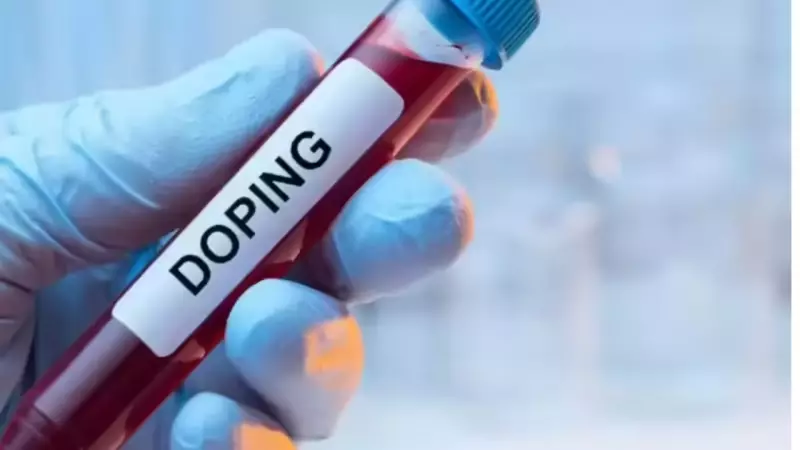
In a significant development in Indian sports, the National Anti-Doping Agency (Nada) updated its list of provisionally suspended athletes on January 1, 2026, adding eight new names. Among them was professional polo player Siddhant Sharma, who tested positive for cocaine during an in-competition test. However, in a surprising twist, Sharma was later exonerated without punishment, with his provisional suspension withdrawn by the anti-doping watchdog.
Swift Resolution in Doping Case
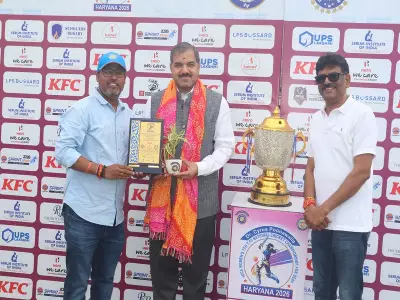
Sharma, who plays for the Jindal Panthers team owned and captained by industrialist and MP Naveen Jindal, faced charges after his urine sample collected during the Baroda Cup on October 19, 2025, at Jaipur Polo Grounds revealed traces of cocaine. An anti-doping disciplinary panel (ADDP) was promptly formed to hear the case. Sharma waived his rights for 'B' sample testing, and within a single hearing, the panel decided in his favor, lifting the suspension.
Affidavit Leads to Conditional Exoneration
The panel's decision relied solely on a sworn affidavit submitted by Sharma, in which he stated he ingested the contraband substance on October 14, 2025, during a Diwali party. This led to his grant of 'conditional exoneration,' pending a final hearing that has not yet been scheduled. Nada issued the exoneration order on January 14, 2026, just a fortnight after the doping offence was revealed, allowing Sharma to compete in the 2025-2026 polo season immediately.

Contrast with Typical Doping Procedures
This case stands in stark contrast to typical doping proceedings in India, where disciplinary panels often take months to convene due to member availability, and cases can drag on for years before resolution. According to the World Anti-Doping Agency (Wada), cocaine is classified as a prohibited stimulant, banned specifically in-competition for its performance-enhancing effects like increased heart rate and blood flow. The standard ban ranges from one to four years, with a three-month minimum if use is proven out-of-competition and unrelated to performance, reducible to one month with substance abuse treatment.
Comparison with International Cases
Even if Sharma's argument about out-of-competition use during Diwali were accepted, Wada rules would typically mandate at least a three-month punishment before returning to play. For instance, South African cricketer Kagiso Rabada was banned for one month in June after testing positive for a cocaine metabolite during the SA20 tournament in January 2025, highlighting the disparity in handling such cases.
Immediate Return to Competition
Sharma, recognized for his '+4' handicap and role as a back, wasted no time rejoining his team. On Friday in Jaipur, he appeared for the Jindal Bedla team against RPC/Thunderbolt in the Rajmata Gayatri Devi Memorial Cup, scoring five goals to secure a semifinal spot for his side.
Investigation and Responses
Meanwhile, the Indian Polo Association (IPA) formed a three-member inquiry committee headed by executive committee member Jai Shergill to investigate the issue. The committee held its first meeting on Friday, offering suggestions. Shergill stated, "This is our (IPA's) internal matter. We will investigate it internally. This is not something for public or media scrutiny." A committee member, speaking anonymously, revealed that action has been recommended and forwarded to vice presidents and Naveen Jindal for consideration.
Attempts by TOI to reach Nada Director General Anant Kumar and dope-control officers for comments were unsuccessful, as none were available to speak on the issue. This case raises questions about consistency and transparency in anti-doping enforcement within Indian sports.