The sight of an Olympic champion standing on the podium with a beaming smile, clutching a new gold medal, is one of the most memorable rituals in sports. However, a closer look at the material composition of this revered award reveals a metallurgical secret that may surprise many.
The True Composition of Olympic Gold Medals
Modern Olympic gold medals are not solid gold. Instead, they consist of a silver core coated with a thin layer of gold. According to International Olympic Committee (IOC) regulations, each gold medal must contain at least 92.5 percent silver, the same purity as sterling silver. The gold coating weighs merely six grams, making the medal essentially a silver disc with a brilliant outer layer. This composition is not arbitrary; it balances aesthetics with practicality. Gold is soft and malleable, so a silver core provides durability, allowing the medal to withstand handling and display over a lifetime.
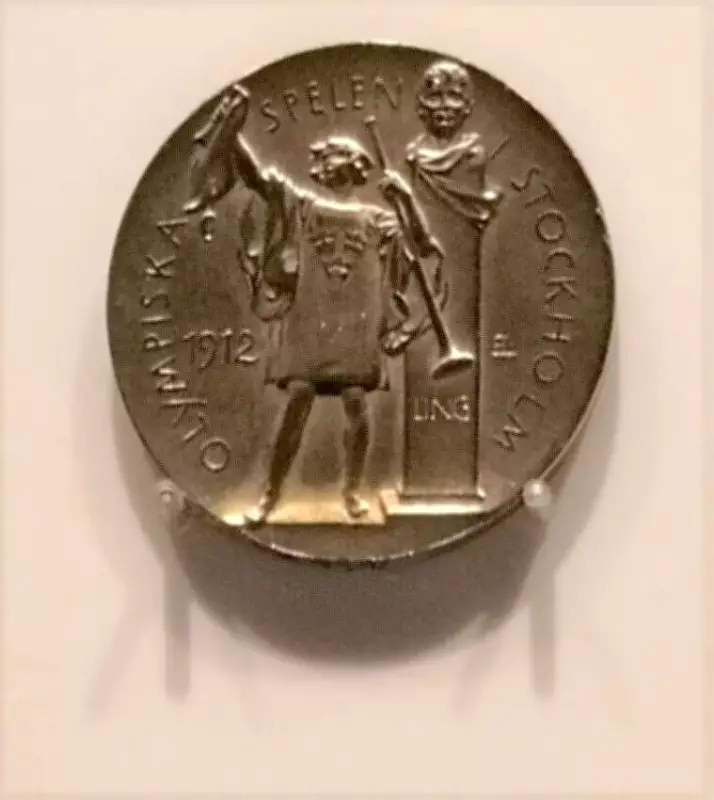
The Last Solid Gold Medals: Stockholm 1912
The last time Olympic champions received solid gold medals was at the 1912 Stockholm Games. According to Guinness World Records, these medals were made entirely of gold, weighing 28 grams with a diameter of 33 millimeters. Only 90 such medals were produced for individual events, including those awarded to legendary athletes like high jumper Alma Richards and multi-sport star Jim Thorpe. Team event medals, however, were already gold-plated silver. These solid gold medals are now extremely rare and highly sought after by collectors.

Value: From Melt to Historical Significance
While the melt value of a modern gold medal is around $2,500 based on current precious metal prices, its true worth lies in its historical significance. Collectors often pay far more for medals tied to famous athletes or historic moments. For instance, a 1912 Stockholm solid gold medal sold for $35,851 at auction, according to Guinness World Records. This stark difference highlights the intangible value of sports history over raw materials.
The evolution of Olympic gold medals reflects the changing scale and economics of the Games. What remains constant is the symbol of achievement they represent, whether made of solid gold or gilded silver.