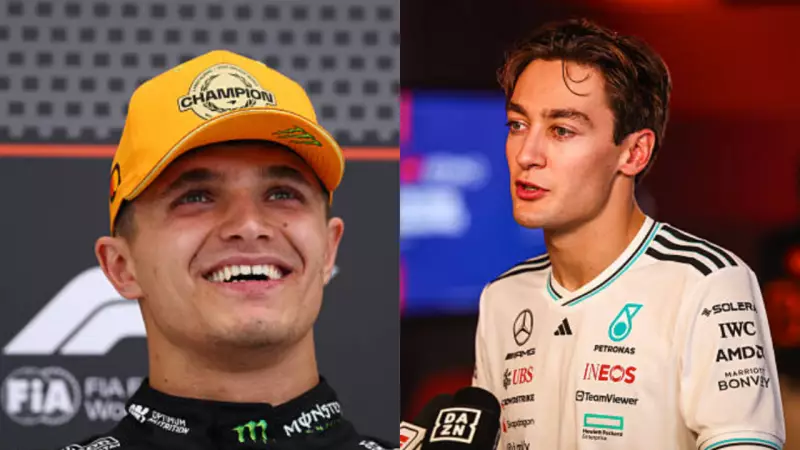
In the high-octane world of Formula 1, talent is the primary currency, but financial success tells its own compelling story. Two of the sport's brightest young stars, Lando Norris and George Russell, are not only battling for points on the track but also represent fascinating case studies in wealth accumulation off it. Their journeys, marked by discipline and professionalism, showcase the modern pathways to financial success in elite motorsport.
Lando Norris: McLaren's Million-Dollar Man
Lando Norris has cemented his position as the cornerstone of the McLaren team, a status reflected in a highly lucrative, long-term contract. His primary income stems from a substantial salary, significantly bolstered by performance-based bonuses tied to race results and championship standings. Over recent seasons, his growing competitiveness and subsequent contract renewals have dramatically enhanced his market value within the sport.
Beyond the racetrack, Norris has skillfully built a diverse portfolio of income streams. He boasts a strong endorsement profile, partnering with global brands in the fashion, technology, and lifestyle sectors that align with his youthful and energetic personal brand. These commercial deals, combined with his racing revenue, form a significant pillar of his net worth, solidifying his status as one of the most financially successful drivers of his generation.

George Russell: Wealth Acceleration at Mercedes
George Russell's financial trajectory has seen a steep upward curve since his promotion to the Mercedes-AMG Petronas Formula One Team. His role as a race-winning driver for the championship-winning squad commands a salary that far exceeds his earnings from his initial years in F1. Being integral to Mercedes' success has not only increased his paycheck but has also exponentially boosted his global brand value and marketability.
Russell capitalises on his image of discipline and professionalism through strategic endorsements. He has secured partnerships with premium brands in the automotive, performance, and lifestyle domains. These sponsorships complement his on-track persona and contribute substantially to his overall wealth growth, showcasing how success with a top team opens doors to premium commercial opportunities.
The Tight Financial Race
A direct comparison of the two British drivers reveals a relatively narrow wealth gap. The difference is primarily dictated by the specific structures of their team contracts, their defined roles within McLaren and Mercedes, and the timing of key career milestones like race wins and podium finishes. Both have cultivated impressive personal brands through a mix of an engaging, informal social media presence and a utterly professional approach to their craft.
Their financial narratives illustrate the contemporary Formula 1 earnings model, which is founded on a combination of career timing, achievement within a team's structure, and perceived market esteem. While their desire to compete is equally fierce, the business of their racing lives—shaped by contracts, bonuses, and endorsements—paints a detailed picture of how modern F1 drivers build their fortunes.