The NFL postseason is delivering edge-of-your-seat drama, and overtime rules are playing a starring role. As the road to Super Bowl 60 narrows, every extra minute of football carries enormous weight. January games often hang by a thread, where a single kick or defensive stop can rewrite a team's entire season.
Overtime Arrives Early in 2025 Playoffs
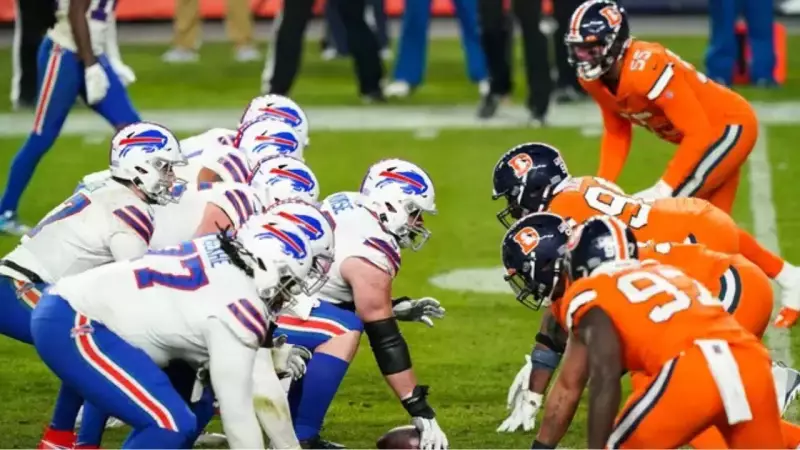
This year's playoff bracket started with fourteen teams facing five weeks of intense pressure. Extra football arrived quickly. The divisional round produced the first overtime moment of the 2025 playoffs when the Buffalo Bills pushed past regulation against the Denver Broncos. A late field goal from Matt Prater forced the extra period.
That game served as a powerful reminder that playoff contests rarely fit neatly into four quarters. This marked the sixth postseason overtime game in the last six seasons. That growing trend highlights both the league's competitive parity and the rising stakes of playoff football.

How Playoff Overtime Differs From Regular Season
Playoff overtime follows familiar lines but contains crucial differences from the regular season format. When regulation ends in a tie, officials conduct a new coin toss. The overtime period lasts for fifteen full minutes, which is longer than the ten-minute window used from September through December.
Each team keeps three timeouts per half, even if the game stretches into a second overtime period. The most significant change involves possession fairness. Both teams now receive a guaranteed offensive drive. A touchdown on the opening possession no longer ends the game immediately.
Scoring Scenarios and Strategic Implications
If the first team scores a touchdown and converts the extra point for seven points, the opponent still gets the ball with a chance to match. Teams do not attempt extra points when a touchdown ends the contest. When the coin toss winner manages only a field goal, the door remains wide open for their opponent.
The opposing team can win outright with a touchdown on its ensuing drive. If that team also settles for a field goal, the game moves into sudden death. The next score then decides everything. A rare exception exists if the first team commits a safety, which hands an immediate victory to the other side.
Rule Changes Born From Controversy
These current rules grew directly from a controversial ending during the 2021 postseason. In that game, the Buffalo Bills never touched the ball against the Kansas City Chiefs. That frustrating finish sparked widespread debate and pushed league officials to act.
Today's format ensures better competitive balance and rewards complete team performance on both sides of the ball. Coaching strategy has evolved alongside the rule changes. The coin toss winner often still chooses to receive the football, but deferring has become a legitimate tactical option.
Choosing to play defense first allows a team to know exactly what it needs during its offensive possession. In the high-pressure environment of January football, that clarity can prove as valuable as pure talent. As the playoffs continue, overtime is no longer a simple coin flip. It has transformed into a calculated test of nerve, preparation, and precise execution.