The Tragic Loss That Has Rocked the NFL World
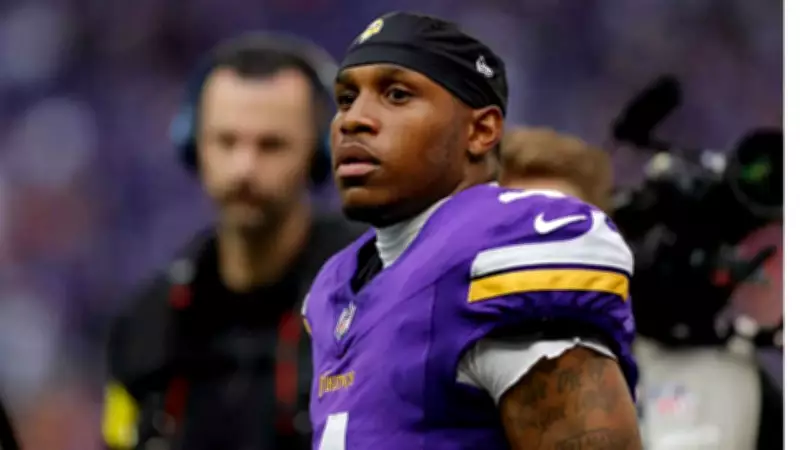
The sudden and shocking death of Minnesota Vikings wide receiver Rondale Moore has sent tremors through the National Football League community, leaving teammates, coaches, and fans grappling with profound grief while raising urgent questions about the league's approach to player mental health. The 25-year-old athlete, whose promising career was derailed by consecutive season-ending knee injuries, was found deceased in his Indiana hometown under circumstances that have intensified scrutiny on how professional sports organizations support athletes beyond their physical performance.
Daniel Fehoko's Blunt Accusations Against NFL Culture
As details surrounding Moore's passing emerged, retired defensive lineman Daniel Fehoko launched a scathing public critique of the NFL's mental health infrastructure. In a series of unfiltered posts on social media platform X, Fehoko accused teams of engaging in performative activism—posting mental health awareness messages publicly while allegedly failing to provide genuine support behind closed doors.
"I don't care, I'm retired I'll say what I want," Fehoko wrote with striking candor. "These NFL teams come out here and post these mental health awareness posts talking about how they care about players 'don't be afraid to reach out'. All they care about is what you bring to the table when it's game day."

He further elaborated on what he perceives as a toxic culture within team facilities, stating, "Most players don't wanna get help inside the building… I seen it firsthand," pointing to a pervasive stigma that discourages athletes from seeking psychological support through official channels. These remarks have ignited widespread discussion about whether the league's mental health initiatives represent substantive change or mere public relations gestures.
Rondale Moore's Promising Career Derailed by Injuries
Moore's football journey began with extraordinary promise. As a true freshman at Purdue University in 2018, he achieved the rare distinction of earning All-America honors, showcasing explosive speed and remarkable versatility that made him a standout prospect. The Arizona Cardinals recognized his potential, drafting him and providing opportunities where he demonstrated flashes of the dynamic playmaking ability that had scouts excited.
However, his professional trajectory took a devastating turn with back-to-back catastrophic knee injuries. In 2024, while with the Atlanta Falcons, Moore suffered a dislocated right knee during training camp. After working tirelessly through rehabilitation, he joined the Minnesota Vikings only to experience another season-ending blow—this time to his left knee in 2025. These consecutive setbacks, which robbed him of two full seasons, created immense psychological pressure that now appears tragically connected to his untimely death.
League Response and Growing Calls for Systemic Change
Following the tragedy, Minnesota Vikings head coach Kevin O'Connell issued an emotional statement expressing devastation over Moore's passing. He remembered the young receiver as humble, disciplined, and resilient despite adversity—qualities that made the loss particularly heartbreaking for the organization.
Meanwhile, Fehoko's criticisms have resonated across social media platforms, with fans and commentators amplifying calls for mandatory psychological and psychiatric care for athletes recovering from major injuries. Many argue that the physical rehabilitation process should be intrinsically linked with mental health support, particularly when careers hang in the balance.
In Moore's Southern Indiana community, former schools and local organizations have remembered his generous spirit—his mentorship of young athletes and his charitable contributions to families in need. This legacy of kindness now exists alongside difficult conversations about how professional sports institutions can better safeguard athlete wellbeing.

The Broader Reckoning for Professional Sports
Rondale Moore's death has transcended individual tragedy to become a catalyst for league-wide examination. The incident highlights the intense psychological toll that professional athletics exacts, particularly when injuries abruptly halt careers that athletes have dedicated their lives to building. As the NFL community mourns, there is growing pressure to transform how the league addresses mental health—not just during active careers but throughout the challenging transitions that follow.
This moment represents a critical juncture for professional sports organizations worldwide. The question now is whether Moore's passing will spur meaningful reform in how teams support players when the cheering stops and the difficult work of physical and emotional recovery begins.