Iconic Bullock Cart Races Make Vibrant Return to Kila Raipur Rural Games
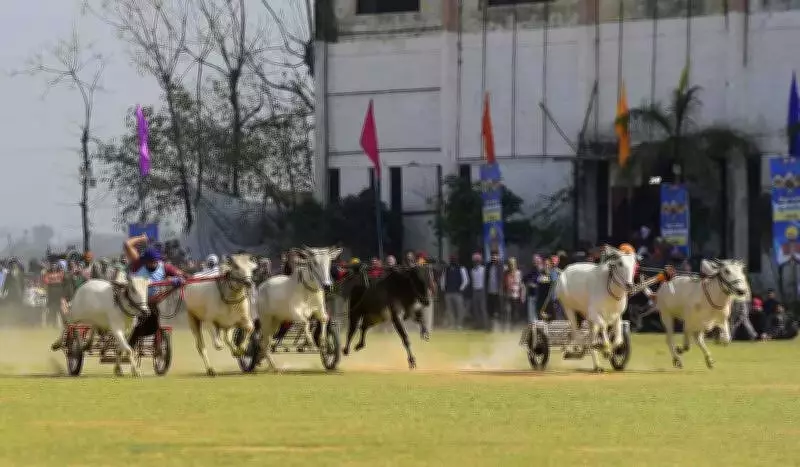
The historic Kila Raipur rural games witnessed a spectacular revival on Tuesday as the beloved bullock cart races returned to the tracks, stirring clouds of dust and electrifying the atmosphere with competitive fervor. While the sheer speed and agility of the carts mesmerized the gathered crowds, a fascinating modern twist captured equal attention: the contemporary, high-energy names of the bulls themselves, including Shandar, Bullet, Shehzada, and Cobra.
A Departure from Decades of Traditional Naming Conventions
This evolution in naming marks a significant departure from longstanding traditions that once dominated the rural sporting landscape. According to Gurinder Singh Kindi, general secretary of the Malwa Doaba Bullock Cart Association and a resident of Kullewal village, the shift is driven by both modern cultural trends and practical necessities. "Earlier, we would name the bulls Kalu or Peelu based simply on their colour or body form," Kindi explained, highlighting the simplicity of past practices.
However, the rise of collaborative racing—where owners pair one of their bulls with another owner's animal—has introduced a need for distinct and memorable identities to prevent confusion during events. "Names like Badshah, Cobra, Bullet, and Khalifa are chosen to keep up with the latest trends," Kindi added, noting that these titles often reflect the physical prowess or spirited nature of the animals.

Emotional Bonds and Identity Through Modern Names
Other participants echoed this sentiment, emphasizing that a bull's name is a direct reflection of its character and capabilities. Harjinder Singh of Sarwarpur village pointed out that while some traditionalists still opt for older patterns—such as a bull named Maaru—the majority now prefer dynamic titles like Jugnu or Cobra that align with the animals' fierce and impressive appearances.
For Pavittar Singh of Kot Gangu Rai, the inspiration for naming his bull Shandar came from a legendary Punjabi horse, chosen specifically to match the animal's "magnificent" physique and stature. Owners stress that these names are far more than mere labels; they represent deep-seated emotional connections and bonds forged through years of care and training.
One owner from Ghungrana, who competes with bulls named Toofan and Jogi, emphasized that the animals actively respond when called by their names. "There is an emotional connect between the bulls and us," the owner stated. "The name serves as a bridge that gives them a unique identity. These bulls are priceless to us, and we demonstrate that value through the highest level of care and attention."
Controversy Erupts Over Serial Number Registration Process
Despite the celebratory and vibrant atmosphere, a significant rift emerged between participants and event organizers regarding the registration methodology. In an effort to streamline the racing heats, organizers assigned alphanumeric serial numbers such as C 56 and C 57 to the carts, a move that sparked immediate and forceful pushback from the Malwa Doaba Bullock Cart Association.
Kindi argued vehemently that reducing the animals to mere codes effectively "snatched the identity" of the bulls, undermining their heritage and the personal significance attached to their names. Owners maintained that this practice was a slight against the rich cultural legacy of the games, calling for an urgent correction to ensure that bulls are recognized and celebrated by their given names rather than impersonal numbers.
The debate highlights a broader tension between modernization and tradition, as the games evolve while striving to preserve their core values and emotional resonance.