MLB Stars Poised to Transition into Managerial Roles by 2026 Season
As the landscape of Major League Baseball continues to evolve, a new generation of managers is expected to emerge from the ranks of current players by the 2026 season. These individuals are not just celebrated for their on-field prowess but are increasingly recognized for their leadership abilities, deep passion for the game, and influential clubhouse presence. The modern MLB manager must master a delicate balance between analytics-driven decision-making, effective communication, and player development, all while leveraging experience and temperament. In this context, star power has become as crucial as these foundational qualities, setting the stage for several active players to seamlessly transition into managerial roles upon retirement.
Top Contenders for Future Managerial Positions
Among the active players, Mookie Betts stands out as the most viable candidate to succeed as a manager post-retirement. His professionalism, positional versatility, meticulous preparation habits, and strong socialization with teammates make him an ideal fit for a modern clubhouse environment. Betts has already proven his leadership on championship teams, demonstrating a solid grasp of both team offense and defense, which are essential skills for any aspiring manager.
Justin Verlander, one of the most admired pitchers in MLB history, brings a wealth of technical expertise in pitching, training, and leadership experience. His background provides a strong foundation for a future managerial career. Should he choose to remain in baseball after hanging up his cleats, Verlander would naturally assume a leadership role, leveraging his vast knowledge and respect within the league.

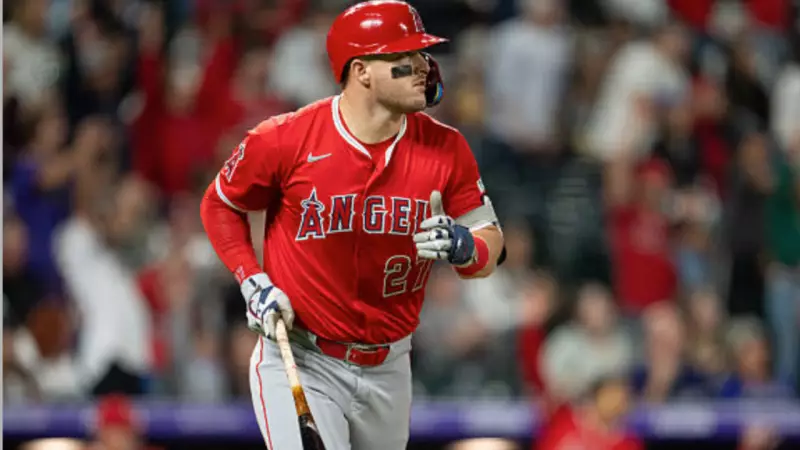
Mike Trout combines elite talent with low-profile leadership and a high baseball IQ, making him another strong managerial possibility. He commands widespread respect throughout the league and has consistently modeled professionalism throughout his career, attributes that would serve him well in a managerial capacity.
Other Notable Mentions with Managerial Potential
Several other current MLB stars are also worthy of consideration for future managerial roles. Players like Justin Turner, Miguel Rojas, and Freddie Freeman have built reputations as clubhouse leaders who prioritize team success. Their ability to communicate effectively with teammates and foster a collaborative environment underscores their potential to excel in managerial positions.
Why These Players Are Ideal for Managerial Roles
The managers who will lead MLB teams in 2026 will need to excel in multiple areas:
- Communication Skills: Effectively conveying strategies and motivating players.
- Adaptability to Analytics: Integrating data-driven insights into game-day decisions.
- Personality Management: Navigating diverse team dynamics and individual player needs.
Through their exposure to elite coaching groups, combined with their on-field intelligence and innate leadership abilities, these players are uniquely positioned to transition smoothly into managerial roles. Their firsthand experience with the demands of the game, coupled with their established credibility, makes them the most appropriate candidates to guide teams into the future.
As the 2026 season approaches, the blend of star power, leadership, and strategic acumen exhibited by these players suggests a promising shift in how MLB managers are developed, potentially reshaping the dugout dynamics for years to come.