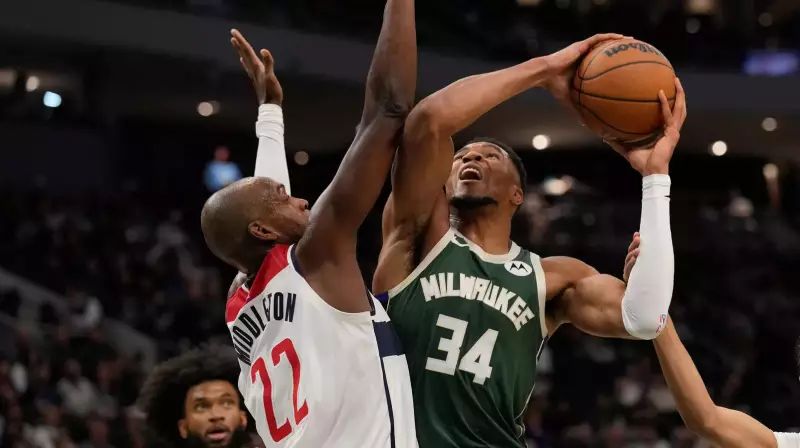
The Milwaukee Bucks, finding themselves in the bottom half of the Eastern Conference standings, are reportedly seeking a significant roster upgrade. Persistent chatter across the NBA suggests the franchise believes it needs one more reliable scorer to complement its superstar duo. The name frequently emerging as a potential solution is Chicago Bulls' two-time All-Star, Zach LaVine.
The Financial Hurdle and Potential Trade Framework
The most formidable barrier to any deal is LaVine's contract. He is in the midst of a five-year, $215 million maximum contract, with annual salaries escalating into the high $40 million range. Current NBA trade rules mandate that the Bucks must send out matching salary, requiring them to bundle multiple player contracts.
This likely means including key rotation players. A prime candidate is Bobby Portis and his $13.4 million salary, who fits the financial profile needed. With Milwaukee's cache of unprotected future draft picks largely depleted, any agreement with Chicago would probably revolve around protected first-round picks and pick swaps, rather than a treasure trove of premium, unprotected assets.

Why the Bucks Are Pushing for a Third Scorer
The Bucks' offense has become overly reliant on the talents of Giannis Antetokounmpo and Damian Lillard. While both command constant defensive attention, the burden on them, especially in clutch moments, has been immense. The front office's search for perimeter scoring has already extended to players like Malik Monk and Jerami Grant, highlighting their priority.
LaVine represents a steady, proven source of points. His ability to create his own shot without a set play is particularly valuable. When defenses collapse on Giannis in the paint or chase Lillard on the perimeter, LaVine can efficiently punish single coverage and attack closeouts, providing a crucial release valve.
Weighing the Risks and Rewards for All Sides
For Milwaukee, the potential benefit is clear: acquiring a third elite scorer immediately raises the team's ceiling and alleviates the nightly load on Giannis and Lillard. It also sends a strong message about their win-now commitment. For Zach LaVine, a move would transition him from a middling Bulls team to a franchise with definitive championship aspirations, freeing him from primary offensive carrying duties.
For the Chicago Bulls, trading LaVine offers a path to much-needed financial flexibility and a roster reset. Moving off his long-term max deal would allow them to build depth and accumulate future assets, shifting away from the play-in tournament treadmill.
However, the risks for the Bucks are substantial. Pairing Lillard and LaVine would create a potentially vulnerable defensive backcourt, requiring strategic support. LaVine's massive contract would severely limit future payroll flexibility and could deplete the team's depth. There is also long-term concern about committing max money to another high-usage guard alongside Lillard.
Despite the downsides, if the trade cost remains reasonable, the upside is tantalizing. A core trio of Antetokounmpo, Lillard, and LaVine would give Milwaukee a formidable offensive arsenal and a clearer route back to the top tier of NBA contenders, directly addressing the scoring droughts that have hampered them this season.