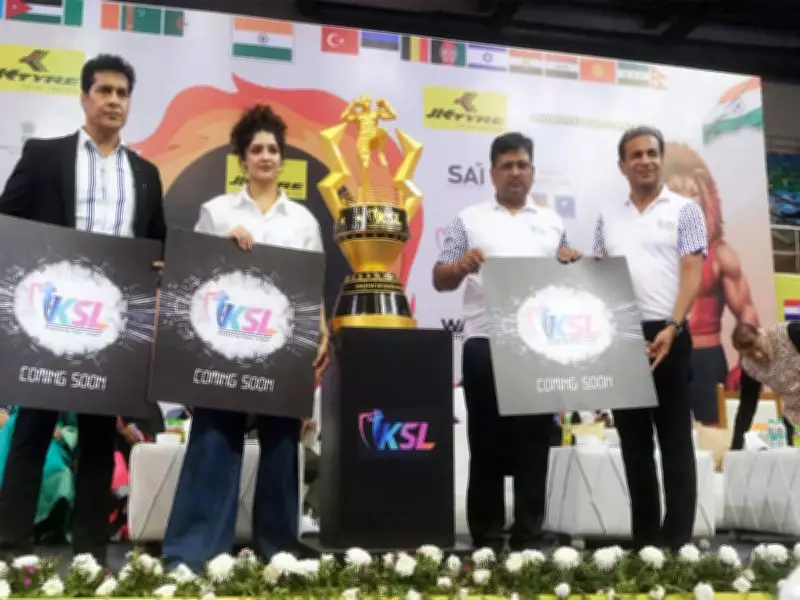
The Kickboxing Super League (KSL) is poised to become a transformative force in India's combat sports landscape, according to its visionary founder, Ajay Adlakha. In a recent interview, Adlakha elaborated on the league's mission to build a sustainable sports economy around kickboxing, one that not only showcases elite athletes but also cultivates grassroots participation and commercial viability.
Vision for a New Economy
Adlakha emphasized that KSL is not merely about organizing events; it is about creating an entire ecosystem. "We are building India's next combat sports economy," he stated. The league aims to professionalize kickboxing by providing structured opportunities for fighters, coaches, and support staff. This includes standardized training protocols, competitive pathways, and a robust scouting network to identify talent from remote regions.
Grassroots Development and Talent Pipeline
Central to KSL's strategy is a focus on grassroots development. The league plans to partner with schools, colleges, and local clubs to introduce kickboxing as a mainstream sport. "We want to create a pipeline where a young athlete from a small town can dream of becoming a national champion," Adlakha explained. This involves organizing regional tournaments, offering scholarships, and providing access to world-class coaching.

Furthermore, KSL intends to leverage technology for training and talent identification. Digital platforms will be used to track athlete progress, share educational content, and connect fighters with mentors. This data-driven approach aims to democratize high-performance training, making it accessible beyond metropolitan hubs.
Commercial Viability and Fan Engagement
To sustain the economy, KSL is building a fan-centric model. The league will feature franchise-based teams, allowing cities to develop local rivalries and fan bases. Broadcasting deals, merchandise sales, and live event revenues are expected to drive financial growth. "We are creating a product that appeals to both casual viewers and hardcore combat sports enthusiasts," Adlakha noted. Innovative formats, such as team scoring and interactive fan voting, are being explored to enhance engagement.
Sponsorship and brand partnerships are also key. KSL aims to attract investment from both sports-focused and mainstream brands. "Combat sports have immense potential in India, but they need structured leagues to unlock commercial value," he added. The league is also exploring cross-promotions with other martial arts to broaden its appeal.
Challenges and Future Outlook
Despite the optimism, Adlakha acknowledges challenges, including building infrastructure, changing perceptions about kickboxing, and ensuring athlete welfare. However, he believes that with the right support, KSL can revolutionize the sport. "We are at the cusp of something big. The response from fighters and fans has been overwhelming," he said.
The league is already in talks with state governments for venue support and with educational institutions for academic integration. Adlakha envisions KSL becoming a catalyst for India's emergence as a global combat sports hub. "Our goal is to produce world champions and inspire a generation," he concluded.