In the high-stakes world of the National Football League, two owners stand out not just for their teams' performances but for the colossal personal fortunes they command. Robert Kraft of the New England Patriots and Gayle Benson of the New Orleans Saints represent the pinnacle of sports ownership wealth, yet their journeys to amassing billions are strikingly different. A closer examination reveals two distinct blueprints for building and sustaining a sports empire.
The Diversified Empire of Robert Kraft
Robert Kraft's net worth is an astounding $13 billion, making him one of the wealthiest individuals in all of professional sports globally. His financial foundation was laid long before his foray into football. Kraft's wealth originates from the Kraft Group, a massive holding company with diversified interests spanning paper and packaging, real estate, and private equity investments.
His entry into the NFL came in 1994 when he purchased the New England Patriots for a then-record $172 million. This investment proved to be historically brilliant. Under his ownership, the Patriots, led by the legendary duo of Tom Brady and Bill Belichick, forged a modern dynasty, clinching six Super Bowl championships. This sustained on-field success dramatically increased the franchise's value, placing it among the NFL's most prized assets.

Kraft's portfolio extends far beyond the gridiron. He also owns Major League Soccer's New England Revolution and holds significant real estate assets, including the iconic Gillette Stadium and its surrounding commercial developments. Strategic investments in prominent media and entertainment ventures further solidify his financial standing. This multi-pronged approach ensures his wealth is not solely dependent on his sports teams' success but is bolstered by a robust, diversified corporate structure aimed at long-term prosperity.
The Inherited Legacy of Gayle Benson
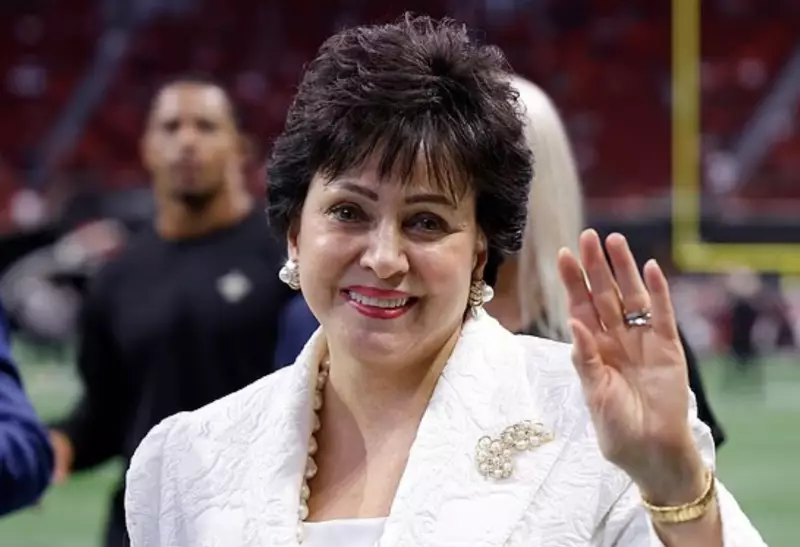
With an estimated net worth of $7.9 billion, Gayle Benson ranks as one of the world's wealthiest female sports owners. Her path to ownership was different. She rose to prominence following the passing of her husband, Tom Benson, in 2018, when she assumed control of his sports empire. This included leadership of both the New Orleans Saints (NFL) and the New Orleans Pelicans (NBA).
Unlike Kraft's self-built conglomerate, Benson's wealth is more closely tied to the franchises themselves and a portfolio of legacy investments. Her business acumen was honed through a successful career in interior design and real estate renovation. She has also made savvy investments in other ventures, including the Dixie Brewing Company and a thoroughbred horse racing stable.
As an owner, Benson has emphasized stability, deep community engagement, and long-term strategic planning for both the Saints and Pelicans. Her stewardship has successfully maintained and grown the franchises' value, ensuring their importance to the city of New Orleans remains undiminished despite competitive ups and downs.
Contrasting Fortunes, Shared Influence
The financial comparison is clear: Robert Kraft holds a significant advantage, with his net worth exceeding Gayle Benson's by approximately $5 billion. This gap highlights the advantage of decades spent building a vast private-sector empire with extensive holdings outside of sports.
Benson, representing a newer generation of owners, demonstrates how wealth can be effectively stewarded and grown through strategic franchise management and nurturing inherited assets. Both, however, wield immense authority within the NFL.
Their stories underscore a crucial lesson: there is no single route to the summit of professional sports ownership. Kraft's empire exemplifies foresight, diversification, and corporate scale, while Benson's fortune highlights the power of legacy, community stewardship, and strategic continuity. Together, they illustrate the diverse economic engines that drive the modern, multi-billion-dollar world of American sports franchises.