India's anti-doping efforts are gaining significant momentum as the National Anti-Doping Agency (NADA) implements sweeping reforms to clean up sports, following decades of a culture of impunity that first surfaced during the 1982 Asian Games in New Delhi. That event marked India's first major doping crisis, which in hindsight was merely the tip of the iceberg.
Historical Context and the 1982 Asian Games
The 1982 Asian Games saw several Indian athletes test positive for banned substances, exposing a systemic lack of oversight. Over the subsequent decades, doping violations remained underreported, and enforcement was weak. Athletes often escaped sanctions due to bureaucratic loopholes and inadequate testing infrastructure.
According to former NADA director general Navin Agarwal, “The 1982 episode was a wake-up call, but we failed to act decisively. It took years of international pressure and high-profile cases to force change.”

Recent Reforms and Policy Changes
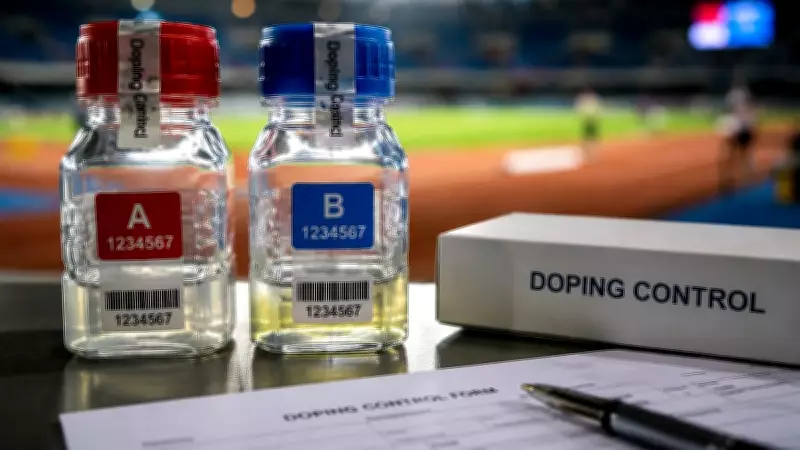
In 2024-2025, NADA overhauled its testing protocols, increasing out-of-competition tests by 40% and adopting the World Anti-Doping Agency's (WADA) 2021 code more rigorously. The agency also established a dedicated intelligence unit to track doping networks.
Key reforms include mandatory biological passports for elite athletes, stricter sanctions for coaches and support staff, and a whistleblower protection program. These measures aim to deter doping at all levels, from grassroots to professional sports.
Impact on Athletes and Sports Bodies
The reforms have already led to a 25% rise in adverse analytical findings (AAFs) in 2025 compared to the previous year, indicating more effective detection. Several high-profile athletes have been suspended, sending a strong message across sporting disciplines.
Sports Minister Anurag Thakur stated, “We are committed to a zero-tolerance policy. Clean athletes deserve a level playing field, and these reforms ensure that cheaters are caught and punished.”
Challenges Ahead
Despite progress, challenges remain. Funding constraints limit the number of tests, and some state sports associations resist central oversight. Additionally, the rise of new performance-enhancing drugs requires constant adaptation.
WADA has praised India's efforts but urged continued vigilance. As India prepares to host major international events, the focus on clean sport is expected to intensify.