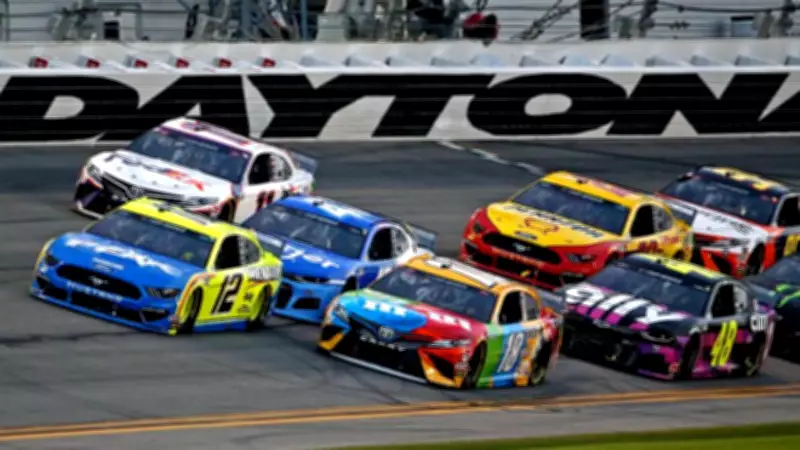
NASCAR Overhauls Daytona 500 Qualifying, Creating High-Stakes Battle for Independent Teams
NASCAR has implemented a significant revision to the Daytona 500 qualifying structure, a change that fundamentally alters the competitive landscape for securing the final starting positions in the iconic season-opening race. This new framework places unprecedented pressure on independent, non-chartered teams, transforming what was already a challenging pathway into one of the most demanding cutlines in all of professional motorsports.
The Core Changes to the Qualifying Process
The foundational elements of Daytona 500 qualifying remain intact. All drivers participate in single-car time trials to establish the front row and determine the starting grids for the two Duel qualifying races. Chartered teams continue to enjoy guaranteed starting spots regardless of their performance. However, the critical modifications exclusively impact the open, non-chartered entries.
Under the new regulations, the two fastest open cars from the single-car qualifying session are now automatically locked into the Daytona 500 field. This rewards raw, single-lap speed but simultaneously removes these top-performing open entries from the transfer battle in the subsequent Duel races. Previously, a quick open car could not only secure its own spot but also influence which other non-chartered teams advanced. Now, those top two qualifiers are effectively out of the contest, having secured their Sunday berths.

A Narrower, More Treacherous Path for Remaining Open Teams
For the remaining open teams not among the top two in qualifying, the route to the Great American Race has become drastically more constrained and perilous. Instead of multiple potential avenues into the field, these independent contenders are now fighting for just one transfer position available in each of the two Duel races. This means that regardless of how intense the competition is, only a maximum of two additional open teams—one from each Duel—will earn their way into the Daytona 500 starting lineup through race performance.
This streamlined but brutal system leaves the other open teams scrapping over a significantly diminished prize pool. The reduction in available spots has effectively concentrated the pressure, making every lap, every drafting decision, and every pit stop exponentially more critical for survival.
Why the Pressure Has Skyrocketed for Smaller Operations
This more efficient qualifying framework dramatically escalates the risk for smaller, independent teams that lack the financial and technical resources of the powerhouse, chartered operations. In the past, a subpar performance in single-car qualifying could be mitigated through strong race craft and strategic brilliance in the Duels. Now, the margin for error has virtually disappeared.
A less-than-stellar qualifying effort carries far more severe consequences, as the opportunities for redemption are severely limited. This shift fundamentally changes team strategy during the Duel races. Open teams are now less concerned with their overall finishing position against the chartered field and are instead hyper-focused on simply beating the other non-chartered competitors they regularly battle. When only one coveted berth is on the line, drafting alliances, pit strategy, and risk management ascend to a new level of paramount importance.
The new Daytona 500 qualifying format has undeniably raised the stakes, ensuring that the fight for the final grid spots will be one of the most intense and unforgiving contests in motorsports, placing independent teams under a microscope of pure performance pressure.