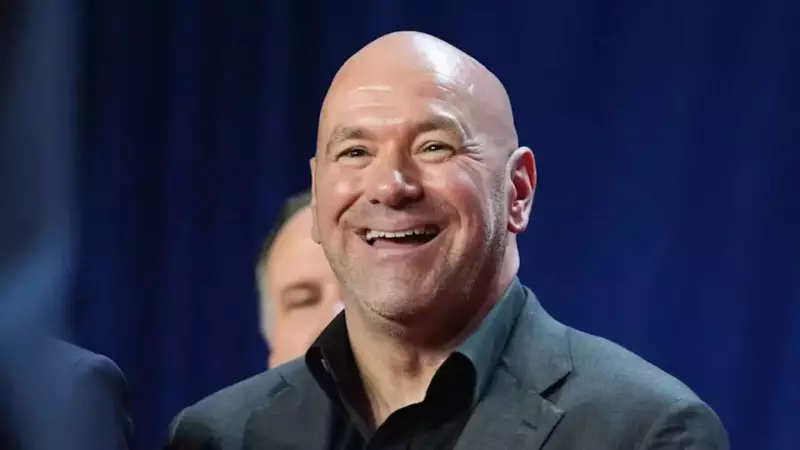
In a significant escalation of legal pressures on the Ultimate Fighting Championship (UFC), its longtime president Dana White has been compelled to give sworn testimony. A federal judge has ordered White to take the stand in an ongoing antitrust lawsuit that poses substantial risks to the world's premier mixed martial arts promotion.
Court Orders Sworn Testimony from UFC Leadership
The ruling, delivered during a recent status conference, places Dana White squarely at the centre of a legal battle years in the making. Judge Richard Boulware has mandated White's testimony during a spoliation hearing scheduled for February 4 and 5, 2025. UFC vice president of athlete compliance, Tracy Long, is also set to testify under oath.
This move signals the court's progression from preliminary filings to the critical phase of examining witness accounts. An additional hearing on January 6, 2025, will tackle outstanding discovery disputes and define the scope of the spoliation proceedings. Both legal teams must submit a joint status report outlining unresolved discovery issues by December 30 this year.

Understanding the Core Legal Battle: Spoliation and Fighter Contracts
Spoliation, in legal terms, refers to the destruction, alteration, or loss of evidence relevant to a case. Here, the court is investigating potential gaps in records related to fighter compensation and contract negotiations. The evidence under scrutiny will include data from the personal cell phones used by Dana White and Tracy Long.
The lawsuit is spearheaded by former UFC athlete Misha Cirkunov. It specifically targets fighters who competed from July 1, 2017, onward and signed agreements containing arbitration clauses or class action waivers. These clauses effectively restricted fighters from pursuing collective legal action against the promotion.
Cirkunov initiated this case to prevent delays in related litigation and to challenge the enforceability of these restrictive clauses. The legal filing's objective is to have these arbitration agreements and class action waivers adjudicated and potentially rendered invalid.
A History of Litigation and Personal Tensions
This current dispute is not an isolated event but part of a protracted history of antitrust litigation against the UFC. It follows an earlier lawsuit led by Cung Le, which covered fighters from 2010 to 2017 and concluded in a massive $375 million settlement approved by Judge Boulware. Another active case, led by Kajan Johnson, represents fighters from 2017 to the present.
The UFC recently sought to limit the Johnson case by citing the arbitration clauses signed by some fighters. The Cirkunov lawsuit directly confronts these provisions, seeking financial damages and a court order to eliminate such clauses from existing and future UFC contracts.
Adding a layer of personal tension, Dana White has previously publicly questioned Judge Boulware's impartiality. Earlier this year, White stated, "I don't think I did anything to this guy... But there's no doubt in my mind this feels absolutely personal." Despite these remarks, the judicial process is advancing, with White's testimony now a central component.
As the case moves into this decisive phase, the MMA world watches closely. The outcome could have far-reaching consequences for how fighter contracts are structured and how legal disputes are handled within the UFC ecosystem.