Boston Bruins at a Crossroads Ahead of NHL Trade Deadline
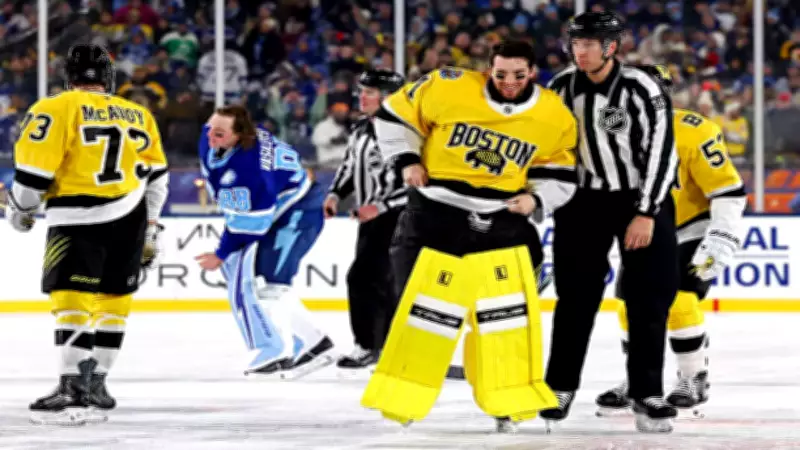
The Boston Bruins have defied predictions during the initial phase of the 2025-26 NHL season, posting a stronger performance than many anticipated. As the March 6 trade deadline looms, General Manager Don Sweeney confronts a recurring dilemma: whether to leverage the team's resources for immediate upgrades or maintain a long-term outlook. This decision is pivotal for a franchise balancing playoff aspirations with roster sustainability.
Aggressive Moves Yield Valuable Draft Assets
Since assuming the GM role in 2015, Sweeney has consistently been active at the trade deadline, making at least one transaction annually. Last spring, facing a dim playoff outlook, he executed a strategic sell-off, trading multiple veterans including former captain Brad Marchand. This maneuver netted the Bruins two future first-round picks, significantly bolstering their draft capital and providing flexibility for future moves.
Key Acquisitions: The Bruins secured Toronto's 2026 first-round pick via the Brandon Carlo trade and Florida's 2027 first-round pick in the Marchand deal. While these picks come with conditions or protections, the Toronto selection could become especially valuable if the Maple Leafs, currently struggling, fail to qualify for the playoffs.

Draft Capital Stockpile Offers Strategic Options
Boston now controls six first-round selections over the next four drafts, combining their own picks with those acquired. Additionally, the organization holds three fourth-round picks in 2026 from Philadelphia and Tampa Bay, alongside their own. This abundance allows Sweeney to pursue roster improvements without jeopardizing the team's future prospects.
Strategic Considerations: Trading first-round picks for short-term rental players would be imprudent given that the Bruins are not among the league's elite contenders. However, utilizing mid-round selections to acquire depth players is a sensible approach for a team vying for playoff positioning. This strategy aligns with Boston's current status as a competitive but not dominant force in the Eastern Conference.
Current Standings and Challenging Schedule
Entering the Olympic break, the Bruins held the second wild card spot in the Eastern Conference with a record of 32 wins, 20 losses, and 5 overtime losses, accumulating 69 points. Despite this position, they face a daunting path ahead, with Tankathon ranking their remaining schedule as the second-toughest in the league. This includes 14 road games out of their final 24 contests, testing their resilience and depth.
Roster Deficiencies and Potential Trade Targets
Underlying statistics suggest the Bruins may be due for regression. Offensively, they have outperformed expectations by scoring approximately 18 more goals than projected in all situations, the highest margin in the NHL. This overachievement has obscured significant defensive weaknesses, with the blue line ranking among the worst in hockey for allowing shots, scoring chances, and high-danger opportunities.
Defensive Struggles: The team allows the 30th-most shots, 26th-most scoring chances, and 31st-most high-danger opportunities in all situations. Goaltender Jeremy Swayman has been a standout, ranking fourth in goals saved above expected, often compensating for defensive lapses.
Sweeney's prior interest in acquiring defenseman Rasmus Andersson from the Flames, before he was traded to Vegas, indicates the Bruins' awareness of their defensive shortcomings. Addressing this area remains a priority if the right trade opportunity arises.
Trade Chips and Playoff Outlook
Beyond draft picks, the Bruins possess additional assets for potential deals, including prospects such as Mason Lohrei, Fabian Lysell, and Matthew Poitras, along with pending free agent Andrew Peeke. These players could be leveraged to secure necessary reinforcements.
The Eastern Conference lacks a clear favorite, providing Boston with motivation to push for a playoff berth despite roster limitations. As the trade deadline approaches, Sweeney's decisions will be critical in shaping the team's trajectory for the remainder of the season and beyond.