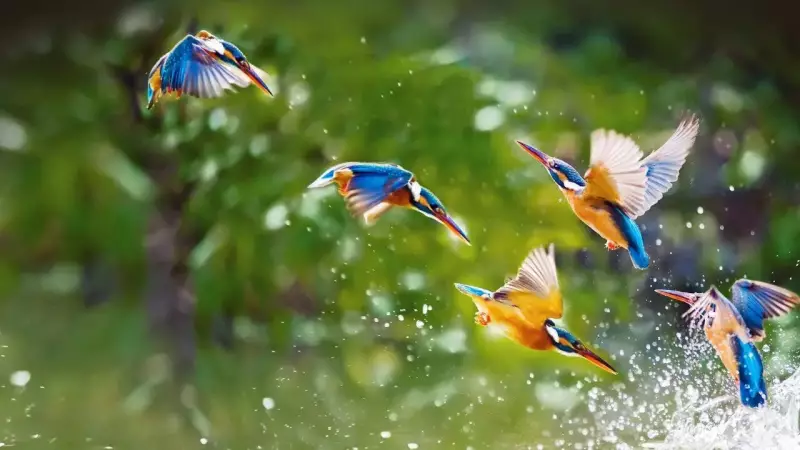
Birds possess a remarkable natural ability that sets them apart from humans. They can regenerate the feathers they shed, a process essential for their survival. Unlike human hair or nails, feathers are made of keratin and cannot heal once damaged. When a feather is lost or worn out, the entire structure must be replaced. This is where moulting comes into play.
The Moulting Process: A Year-Round Cycle
Moulting is a normal, ongoing process where birds shed old feathers and grow new ones throughout the year. It is not a one-time event but a continuous cycle that ensures birds stay healthy and capable of flight. From small backyard parrots to majestic raptors, feather renewal keeps birds mobile, protected, and in top condition. Whether you observe a pigeon in an urban setting or a bald eagle in the wild, understanding this cycle deepens appreciation for these incredible feathered creatures.
Why Feather Regrowth Matters
Feathers are generally dead structures that wear out over time. Moulting replaces them for critical functions like flight, health maintenance, and display purposes. This ability to grow back lost feathers helps birds maintain insulation, agility, and protection from predators. It is a vital part of their biology that supports their daily activities and long-term survival.
Birds That Can Regrow Their Feathers
Many bird species exhibit this unique ability of feather regrowth. Below is a list of some notable examples, highlighting how each benefits from moulting.
Parrots
Parrots are beautiful birds known for their bright, long feathers, which are crucial for flight and display. When a feather is lost, parrots undergo their moult cycle to replace it, typically once or twice a year. New feathers begin as tiny pin feathers and gradually grow to full size. A diet rich in seeds, fruits, and nuts supports healthy feather growth in these vibrant birds.
Chickens
Chickens are common in backyards and moult seasonally. During a heavy moult, they drop old feathers in clumps and regrow new ones in stages. This process maintains their insulation from weather elements, keeping them mobile and safe. Regrowth may take several weeks, but by the next season, most chickens appear fully renewed with a fresh plumage.
Pigeons
City-dwelling pigeons also engage in moulting to replace worn or broken feathers. Their plumage helps them maintain agility and speed in flight, especially around buildings and busy streets. If a feather falls out, it usually starts regrowing almost immediately, aiding pigeons in balance and predator evasion.
Ducks
Ducks rely on their feathers for insulation and waterproofing. Feathers lost or worn during the year are replaced in a seasonal moult, often after breeding. This regrowth is crucial for winter survival, as it provides buoyancy and helps keep ducks dry in cold water.
Eagles
Even impressive birds of prey like eagles shed feathers. Bald eagles moult in an orderly manner, with older feathers falling out as new ones push up through follicles over weeks and months. This allows them to maintain flight capability while replacing important flight and tail feathers, ensuring they remain effective hunters.
Owls
Owls depend on specialised feathers for silent flight. Like other birds, they moult and replace old feathers in phases, allowing new flight feathers to grow in. Their feather renewal pattern is slow and cautious, enabling them to remain efficient nocturnal predators with soft, silent wings.
Peacocks
Peacocks are famous for their stunning, iridescent tail feathers, known as a train, which play a key role in courtship displays. Few realise that these long feathers are lost every year through moulting. After the breeding season, male peacocks shed their magnificent train and regrow it over several months. This regrowth requires good nutrition and time, as the feathers are large and energy-consuming to produce. By the next mating season, the peacock displays a full, vibrant fan again, showcasing the effectiveness of natural feather regeneration.
What to Do If You See a Bald Bird
Spotting a bird with missing or bald patches can be concerning, but feather loss is often part of a normal moulting cycle. If you encounter a bald bird, observe calmly and avoid interference, especially with wild birds. For birds in controlled environments like backyards or rescue settings, provide good food, clean water, and a quiet, stress-free space to support healthy feather regrowth.
Sometimes, mites or parasites can irritate the skin and lead to feather loss, resulting in bald spots. In such cases, expert treatment from a bird professional or veterinarian is recommended. Above all, be patient, as feather regrowth takes time—particularly for large or specialised feathers. New feathers will typically grow back naturally within weeks or months, allowing the bird to return to its normal activities.