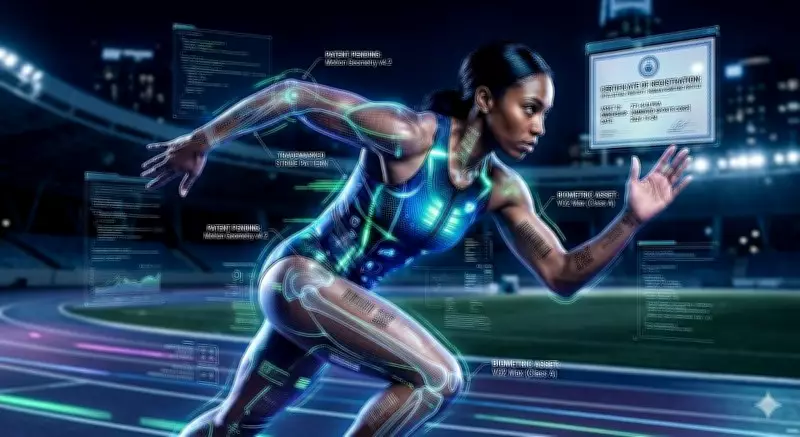
Picture the Olympic sprinter. Muscles coiled, breath controlled, eyes fixed on the invisible finish line. The gun fires. What follows looks like a singular act of human will, but it is anything but singular. Behind that burst of speed lies a complex web of sponsorships, image rights, data analytics, and legal frameworks that transform the athlete's body into a valuable intellectual property asset.
The Evolution of the Athlete as Asset
Modern sport has evolved from amateur competition into a multi-billion-dollar industry where athletes are not just performers but brands. Their physical attributes, performance data, and personal stories are packaged, licensed, and monetized. The human body, once solely a vessel for athletic achievement, now serves as a repository of intellectual property rights. From trademarked catchphrases to patented training methods, the line between person and property has blurred.
Intellectual Property in Sports
Intellectual property in sports encompasses several areas: trademark protection for athlete names and logos, copyright in broadcast footage and interviews, patent rights for sports equipment and training techniques, and the emerging field of personality rights. In many jurisdictions, athletes can control the commercial use of their image, voice, and likeness. However, the legal landscape varies widely, and India is still catching up.

India's Position and What Must Be Done
India has a burgeoning sports industry, yet its legal framework for protecting athletes' intellectual property remains underdeveloped. Unlike the United States or European countries, India lacks a comprehensive personality rights law. The Indian Copyright Act and Trade Marks Act offer some protection, but they are not tailored to the unique challenges of sports. For instance, an athlete's performance data—captured by wearables and tracking systems—may be owned by teams or sponsors, not the athlete.
Recommendations for India
To harness the full potential of athletes as intellectual property assets, India must take the following steps:
- Enact a Personality Rights Law: A dedicated statute that grants athletes exclusive control over the commercial use of their name, image, and likeness.
- Clarify Data Ownership: Establish clear rules on who owns performance data generated by athletes during training and competition.
- Strengthen Enforcement: Improve mechanisms to combat unauthorized use of athlete identities, especially in digital and advertising spaces.
- Educate Athletes: Provide training on intellectual property basics so athletes can negotiate better contracts and protect their rights.
- Promote Collective Management: Create organizations that manage licensing and royalty collection for athletes, similar to performers' societies in the music industry.
Conclusion
The transformation of the athlete from a mere competitor to a monetized asset is irreversible. As sports become increasingly commercialized, India must adapt its legal and business frameworks to ensure that athletes—the true assets—reap the rewards of their physical and intellectual labor. The finish line is not just on the track; it is in the trademark office, the boardroom, and the courtroom.