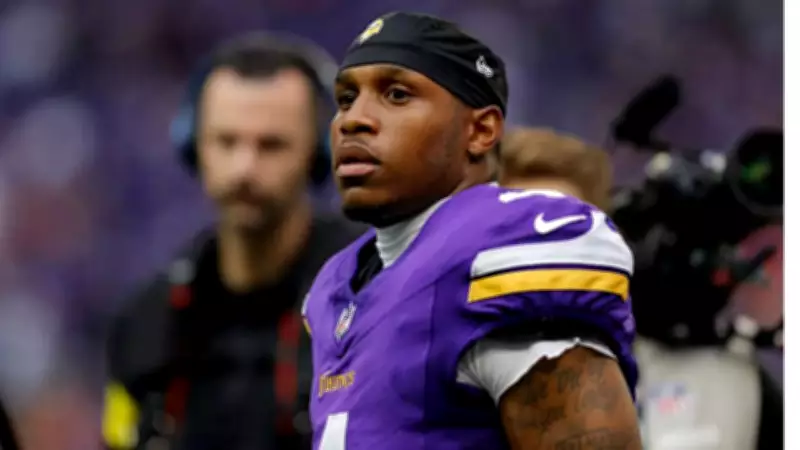
NFL Community Reels After Tragic Suicide of Rondale Moore
The National Football League is grappling with profound grief and shock following the devastating suicide of talented wide receiver Rondale Moore. The 24-year-old athlete was discovered deceased in his hometown of New Albany, Indiana, sending waves of sorrow through the sports world. Moore, recognized as a rising star with exceptional athletic prowess, had seen his promising career recently hampered by consecutive knee injuries that placed him on Injured Reserve.
A.J. Brown's Raw and Emotional Revelation
In the aftermath of this heartbreaking tragedy, Philadelphia Eagles standout A.J. Brown chose to address the situation with remarkable vulnerability. Rather than posting a conventional tribute, Brown uploaded a powerful nine-minute video to his Instagram account where he disclosed his own personal struggles with mental health. The Pro Bowl receiver confessed to having experienced severe depression and even contemplating suicide during his tenure with the Tennessee Titans.
"I don't take the easy way out. I once thought that was the way," Brown revealed with emotional transparency. For an athlete celebrated as one of the league's most physically resilient receivers, this admission about feeling "overwhelmed" by professional pressures marked a significant and courageous moment.

The Support System That Made Recovery Possible
Brown emphasized that he did not navigate these dark periods alone. He specifically credited fellow receiver Elijah Moore for providing crucial support during his most vulnerable moments. Through a combination of loyal friendship, professional therapy, and spiritual faith, Brown managed to pull himself back from the brink of despair.
The central message from Brown's heartfelt video was a direct plea to his teammates, colleagues, and fans: never surrender to hopelessness. He characterized suicide as the "easy way out" and reminded everyone that the intense stresses of NFL life—including injuries, team trades, and public criticism—are ultimately temporary challenges.
"Healing is part of the grind, too," Brown asserted, advocating for a cultural shift where mental wellness receives equal priority to physical training in professional athletics.
Examining the NFL's Mental Health Culture
Rondale Moore's tragic death has ignited serious discussions about how the NFL supports player mental health. Critics are questioning whether the league's traditional "next man up" mentality creates an environment where athletes feel unable to acknowledge psychological struggles, particularly when dealing with injuries that sideline them from competition.
Moore's final social media posts hinted at a private battle, with suggestions that he felt his situation wasn't improving despite dedicated effort. These subtle cries for help may have gone unrecognized or unaddressed within the professional sports ecosystem.
Transforming Tragedy into Awareness and Change
By courageously sharing his personal journey, A.J. Brown aims to convert this tragedy into a catalyst for positive change. His message resonates with clarity and impact: you are not alone in your struggles, and seeking assistance demonstrates strength rather than weakness. This incident underscores the urgent need for enhanced mental health resources and reduced stigma within high-pressure professional sports environments.
The NFL community now faces a pivotal moment to reevaluate its support systems and cultural attitudes toward psychological wellbeing, ensuring that future athletes receive comprehensive care that addresses both physical and mental health challenges.