Women Village Defence Guards Take Charge in Jammu's Remote Areas During Winter
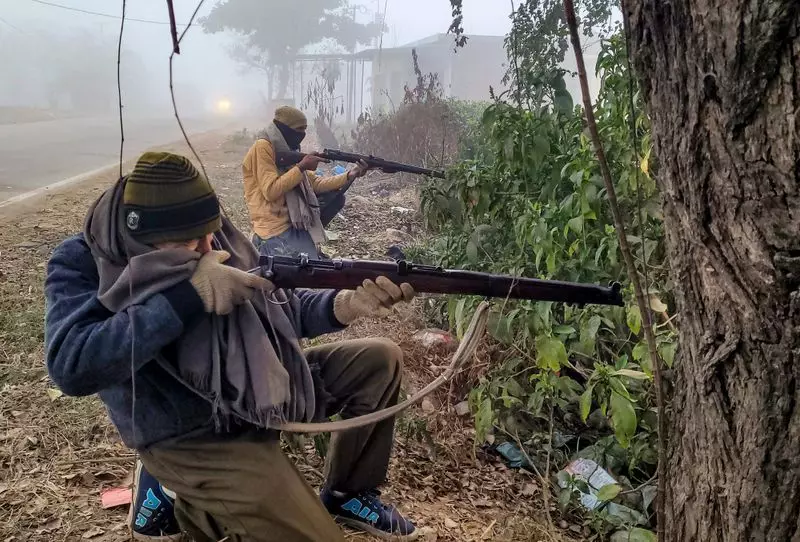
In the remote villages of Jammu, a remarkable shift is unfolding as winter sets in. With many men migrating to find work and support their families, women are stepping forward to fill crucial roles. They are joining the Village Defence Guards, taking on the responsibility of protecting their communities during the harsh winter months.
Migration Patterns and Community Response
Every year, as temperatures drop and agricultural activities slow down, men from these villages leave for cities and towns in search of livelihood opportunities. This seasonal migration has been a long-standing practice, driven by economic necessity. However, it leaves villages vulnerable, with fewer people available to maintain security and respond to emergencies.
To address this gap, local communities and authorities have encouraged women to participate in the Village Defence Guard system. These guards are trained to handle basic security tasks, monitor village perimeters, and assist in times of need. Their involvement ensures that safety measures remain in place even when male members are away.

Empowerment Through Duty
The participation of women in these roles is not just about filling a void. It represents a significant step toward gender empowerment in rural areas. Many of these women are taking on such responsibilities for the first time, gaining new skills and confidence in the process.
Training programs have been organized to equip them with the necessary knowledge. They learn about surveillance techniques, communication methods, and first aid. This training helps them perform their duties effectively and prepares them for potential challenges.
Community leaders have expressed strong support for this initiative. They highlight how women's involvement strengthens social cohesion and resilience. Villages become more self-reliant, with residents working together to ensure everyone's well-being.
Challenges and Adaptations
Operating in remote areas during winter presents unique difficulties. Harsh weather conditions, limited resources, and geographical isolation can complicate security efforts. Women guards must adapt to these circumstances, often relying on traditional knowledge and local networks.
Despite these challenges, their dedication remains unwavering. Many women balance their guard duties with household responsibilities, showcasing remarkable multitasking abilities. Their efforts contribute to a sense of normalcy and safety in villages that might otherwise feel abandoned during the winter season.
This model of community-led security has drawn attention for its effectiveness. It demonstrates how local solutions can address specific needs, especially in regions where external support may be slow to arrive. The success of women Village Defence Guards in Jammu could inspire similar approaches in other parts of the country.
Looking Ahead
As winter progresses, these women continue their vigilant watch over their villages. Their role underscores the importance of inclusive security measures that leverage all available community resources. It also highlights the evolving dynamics in rural India, where women are increasingly taking on roles traditionally held by men.
The experience gained this winter will likely have lasting impacts. It may lead to more permanent roles for women in local defence mechanisms and encourage greater participation in community decision-making. For now, their presence provides reassurance to families and strengthens the social fabric of these remote areas.