West Bengal Elections: A Deep Dive into Voter Turnout Trends Over the Last Three Polls
The electoral landscape of West Bengal has witnessed significant shifts in voter participation over recent years, with turnout trends offering crucial insights into the state's political dynamics. An analysis of the last three assembly elections reveals patterns that highlight changing voter behavior and engagement levels.
Historical Voter Turnout Data and Key Observations
Examining the voter turnout percentages from the 2016, 2021, and the most recent assembly elections provides a clear picture of electoral participation. In 2016, the state recorded a robust turnout, setting a benchmark for subsequent polls. The 2021 elections saw a notable increase, reflecting heightened political fervor and competitive campaigns. The latest election data indicates a continuation of high engagement, with turnout figures remaining elevated compared to national averages.
Key trends identified include:
- A steady rise in overall voter turnout over the three election cycles, underscoring growing political awareness.
- Variations in turnout across different regions of West Bengal, with urban areas often showing lower participation than rural constituencies.
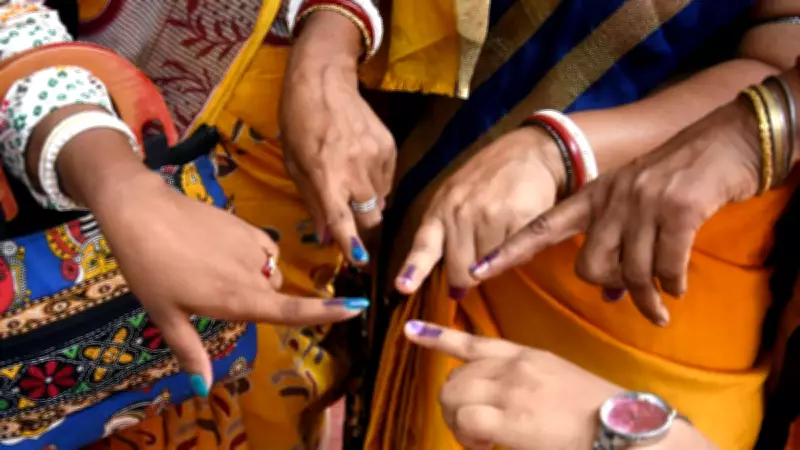
- Increased female voter turnout, contributing to the overall rise and highlighting gender inclusivity in the electoral process.
- Fluctuations in youth voter engagement, with efforts to mobilize younger demographics showing mixed results.
Factors Influencing Voter Turnout in West Bengal
Several factors have played a pivotal role in shaping these turnout trends. Intense political competition between major parties has driven voter mobilization, with campaigns focusing on local issues and development promises. Additionally, electoral reforms and initiatives by the Election Commission have improved accessibility and encouraged participation.
Other influencing elements include:
- Social and economic factors, such as employment rates and infrastructure development, impacting voter sentiment.
- The role of media and digital platforms in raising awareness and facilitating voter registration.
- Security measures and polling booth arrangements ensuring smooth and safe voting processes.
- Historical context and legacy of political movements in the state affecting voter loyalty and turnout.
Implications for Future Elections and Political Strategies
The analysis of voter turnout trends holds significant implications for political parties and policymakers. High turnout levels suggest a vibrant democracy, but also pose challenges in addressing voter expectations. Parties may need to refine their strategies to cater to diverse voter segments, especially in regions with lower participation.
Looking ahead, sustaining and enhancing voter engagement will require continuous efforts, including civic education programs and transparent governance. The trends observed over the last three elections serve as a valuable benchmark for forecasting future electoral behavior in West Bengal.