Minister Venkatesh Voices Strong Support for Mahadevappa as Karnataka Chief Minister Candidate
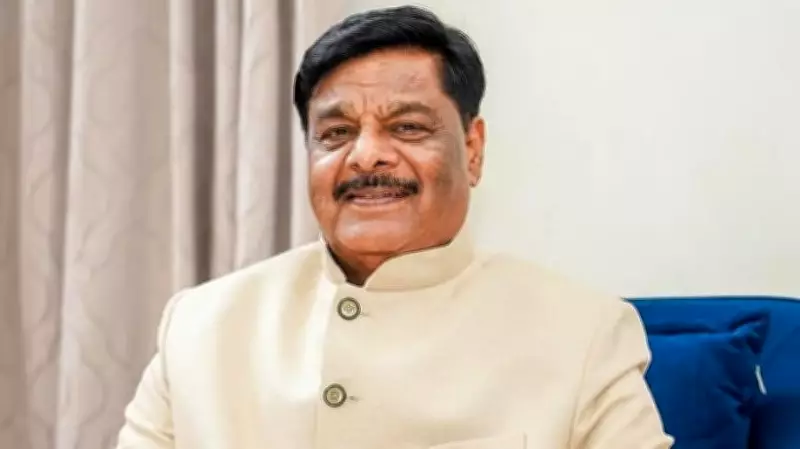
In a significant political development, Minister Venkatesh has openly endorsed his colleague Mahadevappa for the position of Karnataka Chief Minister, describing him as a "dear friend" and expressing enthusiastic support for his potential elevation. This public backing comes at a crucial time when the state is embroiled in a heated debate over the possibility of a Dalit Chief Minister, adding substantial momentum to Mahadevappa's candidacy.
Public Endorsement Fuels Political Speculation
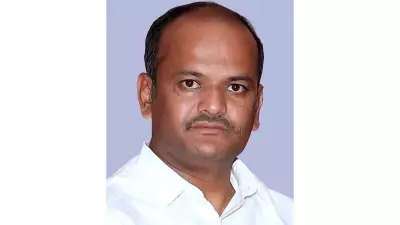
Speaking directly to reporters, Venkatesh made his position unequivocally clear, stating, "Mahadevappa is my dear friend. I would be happy if he becomes the CM and I wish him the best." This statement, delivered with genuine warmth and conviction, has immediately intensified political discussions across Karnataka. The timing of this endorsement is particularly noteworthy, as it aligns with growing calls within various political circles for greater representation of Dalit leaders in top governmental roles.
The Dalit CM debate has been a persistent and emotionally charged topic in Karnataka's political landscape, reflecting broader societal aspirations for inclusive leadership. By throwing his weight behind Mahadevappa, Venkatesh has not only highlighted personal camaraderie but also positioned himself as a vocal advocate for this transformative political shift. His words carry significant weight, potentially influencing party dynamics and public opinion as the state navigates its leadership future.

Broader Implications for Karnataka's Political Future
This endorsement is expected to have far-reaching consequences for Karnataka's political environment. Analysts suggest that Venkatesh's public support could:
- Strengthen Mahadevappa's standing within party hierarchies and among grassroots supporters.
- Amplify the ongoing discourse on Dalit representation in high-level governance positions.
- Prompt reactions from other political figures, potentially leading to a more defined alignment of factions.
- Impact upcoming political strategies and alliance formations in the state.
The statement underscores a growing trend where personal relationships and ideological commitments intersect in shaping political narratives. As Karnataka continues to evolve politically, such endorsements are likely to play a pivotal role in determining the trajectory of leadership contests and policy directions.
With the 2026 political calendar advancing, all eyes are now on how this development will unfold. Will Mahadevappa's candidacy gain further traction? How will opposing groups respond? These questions remain central as Karnataka stands at a potential crossroads in its governance journey.