

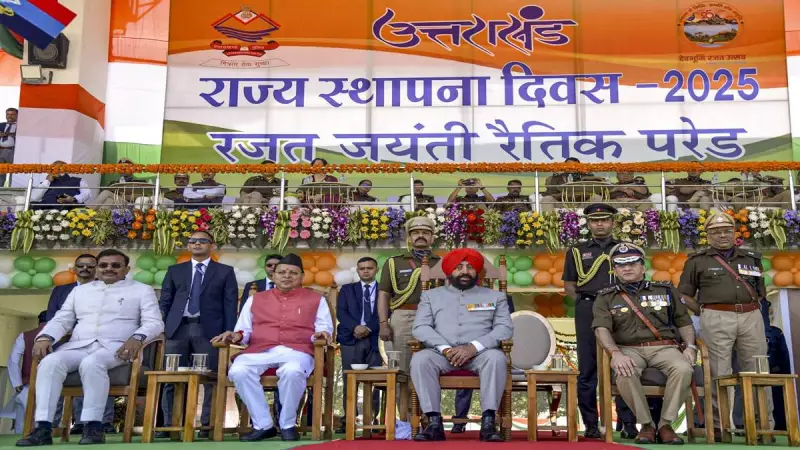
Uttarakhand Foundation Day marks a significant milestone in India's political history, commemorating the birth of the 27th state of the Indian union. Every year on November 9, the state celebrates its formation with great enthusiasm and pride, remembering the journey that led to its creation.
The Birth of a New State: From Uttaranchal to Uttarakhand
When Uttarakhand was officially established on November 9, 2000, it initially carried the name Uttaranchal. This name remained in use for approximately seven years before undergoing a significant transformation. The state's founding was part of a larger movement that recognized the unique cultural and geographical identity of the region.
The transition from Uttaranchal to Uttarakhand wasn't merely a cosmetic change but reflected deep-rooted historical and cultural sentiments. The name Uttaranchal, which literally means 'northern part,' was seen by many as too generic and lacking in emotional connection with the local population.

Why the Name Change Was Necessary
The decision to change the state's name stemmed from several important factors. Local communities and political leaders felt that Uttarakhand better represented the region's historical and cultural significance. The term 'Uttarakhand' has ancient roots in Hindu scriptures and traditional texts, giving it deeper cultural resonance.
The movement for the name change gained significant momentum through public demand and political advocacy. On October 12, 2006, the Union Cabinet approved the proposal to rename the state, and the official change took effect on January 1, 2007. This transformation marked an important chapter in the state's identity formation.
Historical Context and Significance
Uttarakhand's creation wasn't an isolated event but part of three new states formed simultaneously. Jharkhand and Chattisgarh were also established on the same day, representing a significant reorganization of India's political map. This triple state formation marked one of the most substantial territorial changes in modern Indian history.
The region that now constitutes Uttarakhand has a rich historical background, previously functioning as part of Uttar Pradesh. The demand for separate statehood was driven by various factors including better governance, regional development, and cultural preservation. The mountainous terrain and distinct cultural practices of the region made a strong case for independent state administration.
The state shares its borders with several important regions: China (Tibet) to the north, Nepal to the east, and Indian states including Uttar Pradesh to the south and Himachal Pradesh to the west. This strategic location adds to its geographical and political significance.
Celebrations and Contemporary Relevance
Uttarakhand Foundation Day celebrations reflect the state's vibrant culture and traditions. The day is marked by official ceremonies, cultural programs, and public events that showcase the state's heritage. Educational institutions and government organizations conduct special programs to educate younger generations about the state's history and significance.
The state has made significant progress since its formation, developing infrastructure, promoting tourism, and preserving its natural resources. Known as the 'Land of the Gods,' Uttarakhand continues to attract pilgrims and tourists to its sacred sites and natural wonders, contributing substantially to its economy and cultural prominence.
As Uttarakhand continues to evolve and develop, the Foundation Day serves as an annual reminder of its unique journey and the aspirations that led to its creation. The successful transition from Uttaranchal to Uttarakhand represents how names can carry profound cultural meaning and how public sentiment can shape administrative decisions.






