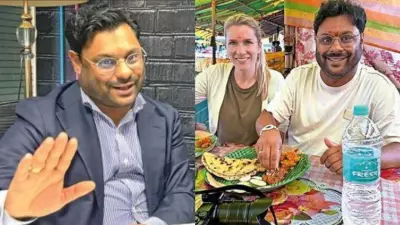
In a sharp critique of the ruling Dravida Munnetra Kazhagam (DMK), TVK general secretary Aadhav Arjuna has condemned the party's firm stance against sharing political power with its alliance partners. Arjuna labeled this approach as "cunning politics" designed to swallow the votes of allies solely to retain authority, asserting that such tactics are now obsolete in Tamil Nadu.
A Feudal Mindset in Modern Politics?
Arjuna launched his attack via a post on the social media platform X on Tuesday. He posed a pointed question to the DMK leadership, asking if their strategy of leveraging alliance partners when necessary and subsequently discarding them reflects an outdated feudal mindset. This comment strikes at the heart of long-standing criticisms about the dominant parties in the state and their treatment of smaller coalition members.
The TVK leader elaborated that neither the current ruling party nor the principal opposition is in a position to secure a decisive mandate on its own. "They were banking on their allies for power," Arjuna stated, emphasizing that both major parties are led by individuals who, in his view, lack sufficient mass appeal to cross the 40% vote share threshold independently.
Legitimate Demand or Political Branding?
Arjuna further warned the DMK against attempting to sideline critics by branding them. He specifically mentioned that the party cannot escape scrutiny by labeling those who raise the legitimate demand for power-sharing as affiliates of the RSS or BJP. This statement highlights a common defensive tactic in Tamil Nadu's political discourse, where accusations of ties to national parties are often used to discredit opponents.
The core of Arjuna's argument is that the political landscape in Tamil Nadu has evolved. Voters and smaller parties are increasingly aware and resistant to being used as mere stepping stones. The era where a major party could consistently secure votes from its allies without offering a tangible share in governance or decision-making is coming to an end, according to the TVK general secretary.
The Future of Alliance Politics
This public denunciation signals growing unrest among the DMK's alliance partners regarding the distribution of power and influence. It underscores a potential shift in the dynamics of coalition politics in the state, where smaller parties are demanding more respect and a collaborative partnership rather than a subordinate relationship.
The remarks from Aadhav Arjuna set the stage for a more contentious negotiation process ahead of future elections. They serve as a clear message that traditional models of alliance-building, based on unilateral benefit, may face significant challenges and could reshape political strategies in Tamil Nadu.