TMC Alleges BJP Plans to Ban Fish and Meat in Bengal, Citing Bihar's Restrictions
The Trinamool Congress (TMC) issued a sharp warning on Tuesday, asserting that voting for the Bharatiya Janata Party (BJP) in Bengal could lead to a ban on fish and meat in the state, mirroring recent measures in Bihar. This criticism stems from the Bihar government's decision to prohibit the sale of meat and fish in open areas near educational institutions, places of worship, and crowded public spaces.
Bihar's Move Sparks Outcry Over 'Moral Imposition'
Bihar Deputy Chief Minister Vijay Kumar Sinha announced on Monday that the government would clamp down on shops selling meat and fish in the vicinity of religious and educational institutions. He claimed these sales offended the "purity of sentiments" and promoted "violent tendencies" among children. In response, TMC spokesperson Arup Chakraborty condemned the decision, labeling it as part of a broader attempt to impose uniform food practices across India.
Chakraborty argued: "If BJP gets votes and comes to office in Bengal, the same thing will happen in Bengal. BJP wants to destroy the culture of unity in diversity. It wants to impose one language and one food habit for all. In Bengal, 86% of people eat fish and meat. But BJP doesn't want to recognise and respect that and are forcing their own ideologies on people."
TMC Accuses BJP of 'Cultural Aggression' in Bengal
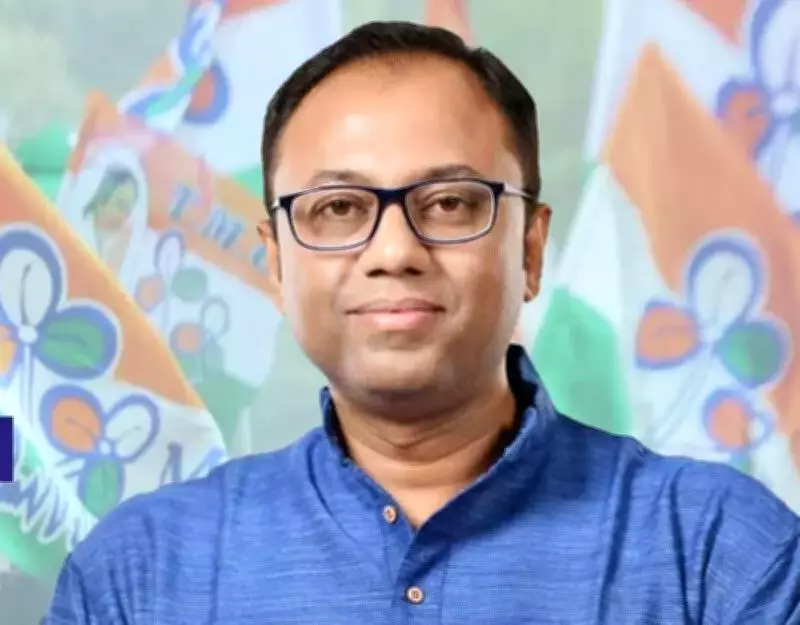
Chakraborty further alleged that similar patterns of imposition are visible in other sectors, citing examples like vegetarian food options in Vande Bharat trains originating from Bengal. He stated, "BJP is anti-Bengali. This is a form of cultural aggression. This has to be protested at all levels." Another TMC spokesperson, Tanmoy Ghosh, emphasized in a statement that linking food habits to violence is not a public health policy but a moral imposition.
Ghosh elaborated: "Meat- and fish-eaters can be Nobel laureates, scholars, entrepreneurs and rebels who change history with a pen, not violence... Linking food habits to 'violent tendencies' is not public health policy — it's moral imposition. India's strength lies in pluralism, diversity, and constitutional freedom — not in policing plates. Regulating diet in the name of culture undermines the very idea of India enshrined in our Constitution. And as Bengalis, our first responsibility for our own well-being is to uproot divisive politics from Bengal."
Historical Context and Political Reactions
This controversy is not new. On February 17, West Bengal Chief Minister Mamata Banerjee had claimed that the BJP would ban fish and meat in Bengal if voted to office, prompting Bengal BJP president Samik Bhattacharya to reassure that people in the state "will continue to eat whatever they want to eat." Banerjee reiterated her stance in reaction to Sinha's earlier statement, highlighting the economic impact on local fish-sellers.
She said: "If BJP comes to office, it will ban meat and fish in Bengal. I saw Bihar's deputy CM say that fish and meat can't be sold in open markets. Only those who have a licence can sell meat indoors. So, will everyone sell meat and fish in shopping malls? Only a few have the economic strength to do so. Most fish-sellers sell fresh fish on the streets here. This is how they earn their bread. I condemn this politics."
The TMC's warnings underscore a growing political debate over food habits, cultural identity, and governance in India, with Bengal emerging as a focal point in this clash of ideologies.