TMC Condemns Vande Bharat Sleeper Trains' Vegetarian-Only Menu
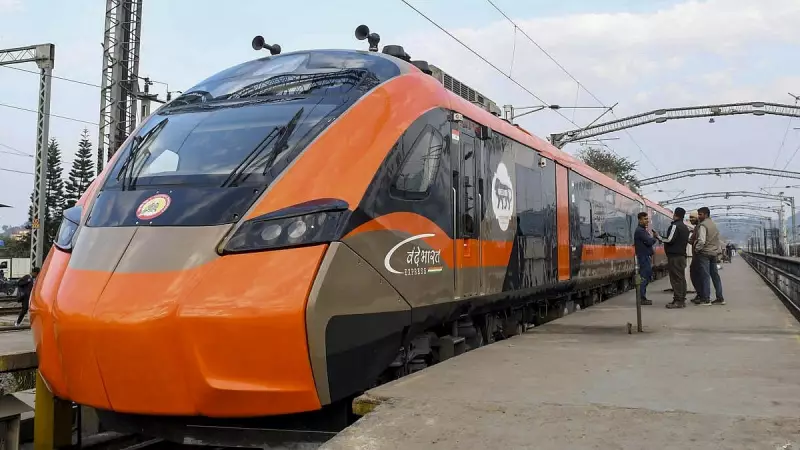
The Trinamool Congress (TMC) has launched a sharp critique against the newly introduced Vande Bharat sleeper trains, specifically targeting their exclusive vegetarian food menu. The party alleges that this move by Indian Railways is an attempt to push Bengalis into a state of submission by disregarding their rich culinary traditions, which prominently feature non-vegetarian dishes.
Allegations of Cultural Marginalization
In a strongly worded statement, TMC leaders argued that the decision to serve only vegetarian meals on these premium trains marginalizes the cultural and dietary preferences of Bengalis. They emphasized that Bengali cuisine is renowned for its diverse array of fish, meat, and other non-vegetarian delicacies, which are integral to the region's identity and social fabric.
The party contends that by imposing a vegetarian-only menu, the authorities are effectively erasing this aspect of Bengali heritage, forcing passengers to conform to a dietary regime that does not align with their local practices. This, according to the TMC, symbolizes a broader pattern of cultural insensitivity and top-down governance that undermines regional autonomy.

Broader Implications for Passenger Choice
Beyond the cultural critique, the TMC has raised concerns about the practical implications for travelers. They point out that the Vande Bharat sleeper trains, designed as an upgrade to enhance passenger comfort and efficiency, should ideally cater to a wide range of dietary needs to reflect India's pluralistic society.
The party suggests that the vegetarian-only policy could inconvenience many passengers, particularly those from Bengal and other regions where non-vegetarian food is a staple. This move, they argue, not only limits choice but also fails to acknowledge the nutritional and personal preferences of a significant segment of the population.
Political and Social Reactions
The controversy has sparked a broader debate on social media and among political circles, with many echoing the TMC's sentiments. Critics argue that such policies, while perhaps well-intentioned from a logistical or ideological standpoint, risk alienating communities and fostering a sense of exclusion.
Supporters of the vegetarian menu, however, highlight potential benefits such as simplified catering operations, reduced food waste, and alignment with vegetarian dietary preferences that are also prevalent in parts of India. Nonetheless, the TMC insists that a more inclusive approach, offering both vegetarian and non-vegetarian options, would better serve the diverse passenger base.
Looking Ahead: Calls for Policy Review
In response to the backlash, the TMC has called for an immediate review of the menu policy on Vande Bharat sleeper trains. They urge Indian Railways to reconsider its stance and implement a dual-menu system that respects regional culinary diversity while maintaining operational efficiency.
This incident underscores the ongoing tensions between centralized policy-making and regional cultural expressions in India. As the debate continues, it remains to be seen whether the authorities will adjust their approach to better accommodate the varied tastes and traditions of passengers across the country.