Thackeray Alliance Stumbles in Crucial Mumbai BMC Battle
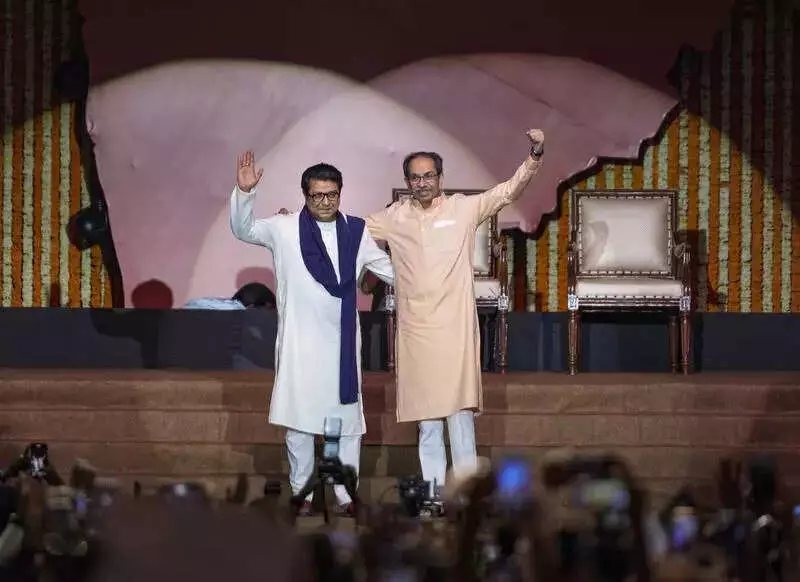
The much-anticipated reunion of the Thackeray cousins failed to deliver victory in the Brihanmumbai Municipal Corporation elections. Shiv Sena (UBT) chief Uddhav Thackeray and Maharashtra Navnirman Sena leader Raj Thackeray joined forces after two decades apart. They framed the BMC polls as a decisive fight to protect Marathi interests in Mumbai.
Limited Impact of Marathi Unity Narrative
Political observers noted the "save Marathis" message resonated only partially with voters. The alliance managed to hold its traditional strongholds across south and central Mumbai. Areas like Dadar-Mahim, Worli, Dindoshi, Bhandup, Vikhroli and Bandra East remained loyal to the Thackeray camp.
However, the combine could not break the BJP's grip on several key constituencies. Colaba, Bandra West, Andheri West, Borivli and Dahisar all stayed with the saffron party. Many affluent Maharashtrian voters in western suburbs reportedly preferred BJP candidates over the Thackeray alliance.

Uneven Performance Between Allies
The election results revealed stark differences between the two partners. Shiv Sena (UBT) underperformed relative to expectations, while MNS collapsed completely. Raj Thackeray's party ended up with single-digit seats, dragging down the combined tally of the Thackeray family.
Uddhav Thackeray had previously called these BMC elections an acid test for his political future. His party contested 163 seats across Mumbai, with MNS fighting 53 seats. They faced BJP candidates in 137 constituencies and Eknath Shinde's Shiv Sena in 90 seats.
Shifting Political Alliances
Muslim voters continued supporting Shiv Sena (UBT), electing two candidates from the community. However, this support proved weaker than during the 2024 Lok Sabha and assembly elections. The absence of Congress from the alliance this time reduced the opposition's combined strength.
"The Lok Sabha and assembly elections already showed which Sena commands real influence in Mumbai," explained one political analyst. "But the BMC polls were more intense. They essentially determined which faction represents the authentic Shiv Sena. With both Thackerays fighting together, this became the ultimate test of their family brand."
Future Implications for Mumbai Politics
Every seat witnessed fierce competition during these elections. Voters acknowledged the historic reunion of the Thackeray cousins around Marathi identity issues. Yet this symbolic coming together failed to translate into electoral success.
"This BMC battle represents the final confrontation between the two Sena factions," the observer continued. "The outcome shapes not just Mumbai's political direction but also the futures of cousins Uddhav and Raj. While this appears to mark the end of Raj Thackeray's relevance, Uddhav will likely maintain his position. He can continue leading the principal opposition in India's financial capital."
The election results confirm BJP's growing dominance in Mumbai politics. They also highlight the limitations of identity-based campaigns, even when backed by historic political reunions. The Thackeray brand, while still holding some traditional bastions, could not expand its reach sufficiently to reclaim control of the crucial municipal corporation.