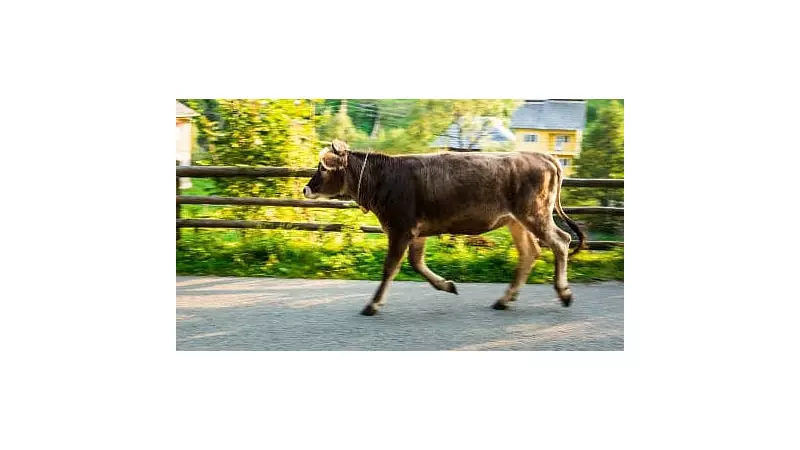
A startling incident in Mangaluru has brought issues of stray cattle and animal cruelty into sharp focus. A cow wandered into a local eatery, leading to a chaotic scene where a person allegedly chased the animal with a knife. The local police have now taken suo motu cognizance of the event, registering cases against multiple individuals involved.
Chaos at the Eatery: The Incident Unfolds
The event took place on 12 January 2026. According to reports, a stray cow entered a food establishment in Mangaluru. The animal, seemingly in search of food, began attempting to eat items within the premises. This intrusion triggered a panic, and in the ensuing commotion, an individual is reported to have picked up a knife and chased the cow in an attempt to drive it away, causing distress to the animal.
Legal Repercussions: Dual Charges Filed
The Mangaluru police, acting on their own motion (suo motu), have initiated legal action. They have registered a case under relevant sections, including the Prevention of Cruelty to Animals Act, against the person who allegedly threatened and hurt the cow with the knife.
Simultaneously, the police have also filed a case against the cow's owner. The owner faces charges for negligence, specifically for letting the animal roam freely on public roads, which created a dangerous circumstance for both the public and the cow itself. This dual action highlights the legal responsibilities of both pet owners and citizens in dealing with such situations.
Broader Implications for Public Safety and Animal Welfare
This incident underscores a persistent problem in many Indian cities: the management of stray cattle. It raises critical questions about:
- Public Safety: Stray animals on roads and in commercial spaces pose a significant risk of accidents and public disturbance.
- Animal Welfare: The response to such intrusions must balance removing the animal with treating it humanely, as mandated by law.
- Owner Accountability: The police action against the cow's owner sets a precedent for holding individuals responsible for the actions of their livestock.
The case remains under investigation as authorities in Karnataka work to address the immediate legal issues and the larger civic challenge it represents.