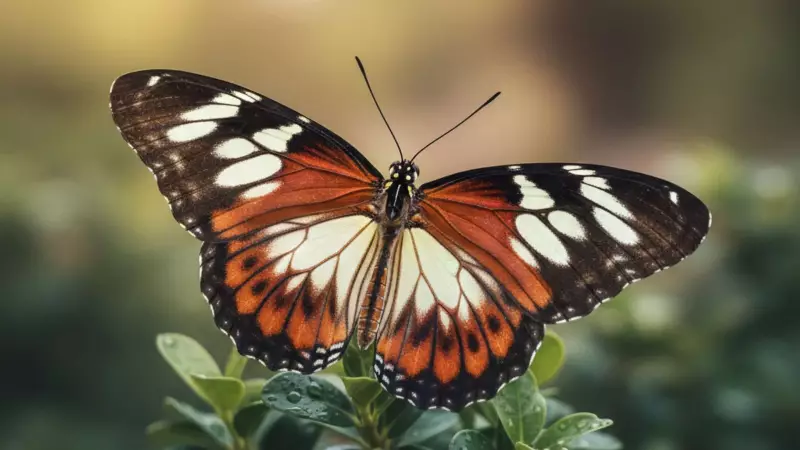
Chandigarh has officially declared the Striped Tiger Butterfly as its state butterfly. The decision came during a meeting of the State Board of Wildlife on Monday. Punjab governor and UT administrator Gulab Chand Kataria chaired the important session.
Selecting the Perfect Emblem
The Department of Forests and Wildlife in Chandigarh began the selection process last year. They wanted to find the perfect emblem to represent the city's rich natural heritage. Four beautiful butterfly species made the final list.
Officials considered the Striped Tiger, Blue Tiger, Plain Tiger, and Jezebel butterflies. Each candidate showcased the beauty and diversity of Chandigarh's local ecosystem. The department even conducted public voting to gather citizen input.

A UT official explained why the Striped Tiger ultimately won the honor. "The Striped Tiger butterfly commands attention with its striking black and white stripes," the official said. "It represents elegance and poise in our state's biodiversity. With each graceful movement, it paints a picture of harmony amidst our vibrant landscapes."
The official added that this butterfly species appears abundantly across Chandigarh. It stands as a symbol of resilience and strength while inviting people to embrace the city's natural beauty.
Wildlife Board Meeting Highlights
During Monday's meeting, Chairman Kataria reviewed several important wildlife matters. He examined the status of actions taken on previous decisions. The chairman also checked progress on establishing an eco-sensitive zone around Sukhna Wildlife Sanctuary.
Kataria advised that State Board of Wildlife meetings should occur every six months. This regular schedule would allow for consistent review and monitoring of wildlife and habitat concerns. The chairman gave clear instructions to the Department of Forest and Wildlife.
He directed them to take proactive steps for improving wildlife and its habitat. Kataria also asked the department to explore establishing a wildlife learning center. This facility could take the form of a Biological Park or enclosure for public and student education.
Chandigarh's Butterfly Diversity
Chandigarh serves as home to more than one hundred butterfly types. The city celebrates this diversity at its dedicated Butterfly Park in Sector 26. This special park spans seven acres and showcases the region's butterfly population.
Park managers have planted various nectar plants specifically for butterfly breeding. These carefully selected plants create an ideal environment for butterflies to thrive and reproduce.
Meeting Agenda Items
The State Board of Wildlife discussed six key agenda items during their Monday meeting:
- Review of actions taken on decisions from the previous meeting
- Proposal to declare the state butterfly of Chandigarh
- Progress on declaring the eco-sensitive Zone around Sukhna wildlife sanctuary
- Constitution of the standing committee of the State Board of Wildlife
- Two related administrative matters
Board member Dr. S.S. Grewal expressed appreciation for the Sukhomajri Project during discussions. He highlighted the vital importance of the Sukhna Lake watershed. Grewal underlined the forest department's ongoing efforts in soil and moisture conservation.
The department works consistently on silt retention and ensuring regular water inflow into Sukhna Lake. These conservation measures help maintain the lake's health and surrounding ecosystem.
All About the Striped Tiger Butterfly
The Striped Tiger butterfly represents a well-known species throughout India. It appears abundantly in Chandigarh and surrounding regions. This beautiful insect features tawny or orange wings with broad black veins.
A striking pattern resembling tiger stripes decorates its wings. Black margins frame the wings with neat rows of white spots. People commonly spot this species across Chandigarh in various environments.
Habitat and Behavior
The Striped Tiger butterfly prefers specific habitats around Chandigarh:

- Gardens and cultivated green spaces
- Scrublands and open areas
- Fallow fields and agricultural edges
- Forest edges and transition zones
These butterflies often feed on nectar from flowering plants. They demonstrate strong flying capabilities but typically remain at lower altitudes. During cooler months in Chandigarh, observers have reported fascinating behavior.
Large gatherings of Striped Tiger butterflies cluster together in trees. These communal gatherings create spectacular natural displays for wildlife enthusiasts.