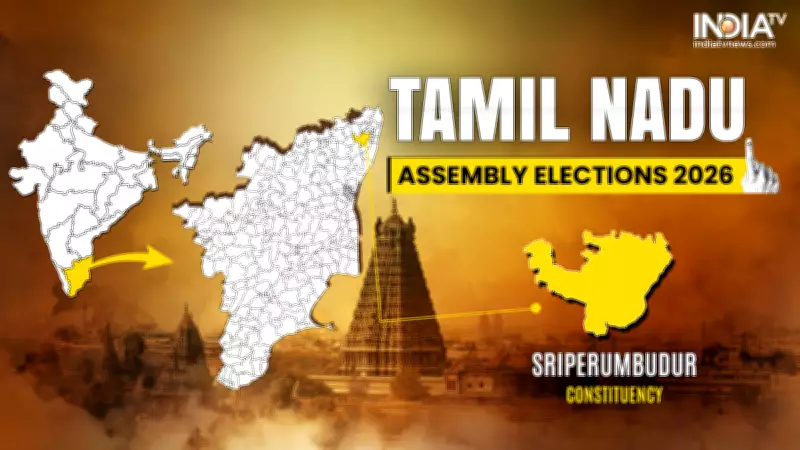
Sriperumbudur Assembly Constituency: A Comprehensive Profile for the 2026 Tamil Nadu Polls
The Sriperumbudur assembly constituency, located in the Kancheepuram district of Tamil Nadu, is gearing up for the highly anticipated 2026 state legislative elections. This seat holds significant political importance due to its historical trends and competitive nature, making it a focal point for major political parties as they strategize for the upcoming polls.
Historical Overview and Past Winners
Over the years, the Sriperumbudur constituency has witnessed a dynamic electoral landscape with victories alternating between key political players. In the 2021 Tamil Nadu Legislative Assembly election, the seat was won by the Dravida Munnetra Kazhagam (DMK) candidate, who secured a decisive mandate from the electorate. Prior to that, the All India Anna Dravida Munnetra Kazhagam (AIADMK) had held the seat in previous terms, showcasing the competitive rivalry between these two dominant regional parties.
Notably, the constituency has also seen participation from other parties such as the Bharatiya Janata Party (BJP) and smaller regional groups, though their impact has been limited in terms of securing victories. The electoral history reflects a pattern of close contests, with margins often fluctuating based on local issues, candidate popularity, and broader state-level political waves.

Analysis of Victory Margins
The victory margins in Sriperumbudur have varied significantly across election cycles, indicating a volatile voter base. In the 2021 polls, the winning margin was substantial, highlighting a strong wave in favor of the DMK. However, earlier elections saw narrower margins, sometimes as low as a few thousand votes, underscoring the seat's susceptibility to shifts in public sentiment.
Key factors influencing these margins include:
- Local development issues such as infrastructure, employment, and industrial growth in the region.
- The charisma and grassroots connect of individual candidates.
- Broader political alliances and coalition dynamics at the state level.
- Demographic changes and voter turnout patterns.
This variability makes Sriperumbudur a critical battleground for parties aiming to maximize their seat tally in the 2026 assembly elections.
Party-Wise Candidates and Strategies for 2026
As the 2026 Tamil Nadu Assembly polls approach, political parties are actively scouting for strong candidates to contest from Sriperumbudur. The DMK is expected to field a seasoned leader with a proven track record, possibly an incumbent or a popular local figure, to capitalize on their recent success. The AIADMK, on the other hand, is likely to nominate a candidate with strong organizational skills and community support to reclaim the seat.
Other parties, including the BJP and emerging regional factions, are also planning to contest, aiming to leverage anti-incumbency or niche voter segments. Strategic considerations for these parties involve:
- Addressing local grievances related to industrial pollution and job creation in Sriperumbudur's manufacturing hubs.
- Building coalitions with smaller parties to consolidate vote banks.
- Focusing on digital and on-ground campaigns to engage younger voters.
The candidate selection process will be crucial, as it could determine the electoral outcome given the constituency's history of tight races.
Conclusion: What to Expect in 2026
The Sriperumbudur assembly seat is poised for another intense electoral battle in the 2026 Tamil Nadu polls. With its mix of urban and rural voters, industrial significance, and historical political volatility, this constituency will be a key indicator of broader trends in the state. Parties must navigate local issues while aligning with state-level narratives to secure victory. As campaigning intensifies, all eyes will be on Sriperumbudur to gauge the political mood and potential shifts in Tamil Nadu's legislative landscape.