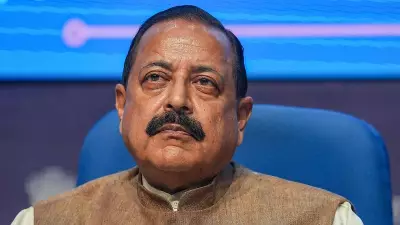
Manipur's Human Bridge: Son-in-law Defies Ethnic Divide to Reunite with Meitei Family
In the heart of Imphal, where three years of brutal conflict, military checkpoints, and pervasive fear have carved deep divisions, a simple human gesture shattered the silence of separation. Anthony Naulak, a member of the Paite tribe within the Kuki-Zo community, entered a Meitei household on Saturday and performed the ancient ritual of touching his elderly mother-in-law's feet.
This profound act, rooted in tradition and familial duty, carried the immense weight of everything Manipur has sacrificed since the ethnic violence erupted in May 2023. For nearly thirty-six months, the Imphal valley and the surrounding hills have existed as two isolated worlds, severed by flames, deep-seated suspicion, and tragic bloodshed.
A Personal Journey Across a Political Chasm
Travel between the Kuki-Zo-dominated hill districts and the Meitei-majority valley has been, for most residents, an unthinkable and dangerous endeavor. For Anthony Naulak, this division was not merely political but intensely personal. Married to a Meitei woman, he witnessed the painful, growing distance from her family—a separation born not from broken affection but from a fractured state apparatus.

Arriving fresh from Delhi, Anthony made a deliberate choice: family first. He prioritized this reunion over official meetings, press briefings, and the complex web of state politics. "I have been here since my childhood. I feel somewhat secure. I trust the people here," he told gathered reporters. These words, seemingly ordinary, resonate with extraordinary courage against the grim backdrop of prolonged ethnic strife.
Advocacy Amidst Anguish: A Mission for the Displaced
However, Anthony's visit was not solely a personal pilgrimage. He arrived armed with a broader, urgent mission: to spotlight the dire plight of internally displaced persons (IDPs) languishing in relief camps across Manipur. These individuals, he argues, have been forgotten by policy frameworks and survive on dwindling hope alone.
His advocacy efforts are extensive and determined:
- Filing multiple Public Interest Litigations (PILs) in higher courts.
- Petitioning the Supreme Court of India for intervention.
- Appearing before the Justice Mittal Committee to present evidence of suffering.
Now, he has come to appeal directly to the new state government under Chief Minister Yumnam Khemchand Singh, urging them to transform political promises into tangible, actionable relief. "People are literally suffering. Those in relief camps, and those outside who receive even less support," Anthony emphasized, highlighting the widespread humanitarian crisis.
A State Raw with Grief and Recent Tragedy
Anthony's courageous visit unfolds in a state still reeling from fresh wounds. Just last month, a Meitei youth named Rishikanta was shot dead in Churachandpur while visiting his Kuki-Zo fiancée. His assailants filmed the murder, and the horrific footage spread rapidly, reopening collective trauma like a raw, unhealed wound.
This incident underscores the perilous reality for inter-community couples in Manipur, who bear a conflict they did not initiate but must navigate daily for survival. Their lives are a testament to the human cost of ethnic polarization.
A Symbolic Ceasefire in a Starved Landscape
Anthony Naulak's solitary journey will not single-handedly end Manipur's protracted war. He is acutely aware of this limitation. Yet, in a state starved of positive symbols and gestures of reconciliation, his act carries monumental significance.
A man crossing the valley to honor his mother-in-law—without security escorts, without formal ceremony, and without seeking permission from the climate of fear—is not a minor event. It represents, perhaps, the most genuine and heartfelt ceasefire Manipur has witnessed in a very long time, offering a fragile glimmer of humanity amidst the darkness.