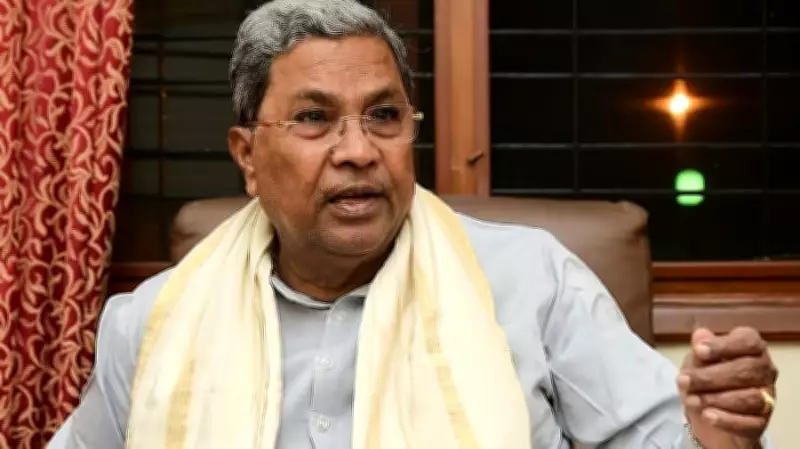
Siddaramaiah Declares He 'Will Not Quit Battlefield' Amid Political Struggles
In a recent statement that has generated significant buzz in political circles, former Karnataka Chief Minister Siddaramaiah has firmly asserted that he "will not quit the battlefield," signaling his continued commitment to public service despite facing numerous challenges over his long career. The veteran politician, who has been a prominent figure in Indian politics for over four decades, made these remarks while reflecting on his arduous journey, which he described as far from easy.
A Political Journey Marked by Hardship
Siddaramaiah opened up about the difficulties he has encountered throughout his political life, stating that it has "never been a bed of roses but a path of stones and thorns." This vivid metaphor underscores the persistent obstacles and adversities he has faced since entering the political arena. His comments highlight the personal and professional trials that have shaped his career, from early struggles to ongoing battles within the competitive landscape of Karnataka and national politics.
The impact of caste-based discrimination has been a recurring theme in his experiences. Siddaramaiah explicitly pointed out that "many of the attacks against me are also because of my caste," shedding light on the social prejudices that continue to influence political dynamics in India. This admission brings attention to the broader issue of caste identity affecting leaders and their trajectories, particularly in regions where such divisions remain deeply entrenched.

Resilience in the Face of Adversity
Despite these challenges, Siddaramaiah's declaration to remain active in politics demonstrates a remarkable resilience. His refusal to step away from the "battlefield" suggests a determination to continue advocating for his constituents and pursuing his political goals, even as he navigates the complexities of caste-based criticisms and other hurdles. This stance is likely to resonate with supporters and observers who view him as a steadfast figure in Karnataka's political scene.
The timing of this statement is noteworthy, as it comes amid ongoing political developments in Karnataka and India. By reaffirming his presence, Siddaramaiah may be positioning himself for future roles or initiatives, potentially influencing upcoming elections or policy debates. His words serve as a reminder of the enduring nature of political careers that are often tested by both external pressures and internal convictions.
Broader Implications for Indian Politics
Siddaramaiah's reflections offer insights into the broader challenges faced by politicians in India, where factors like caste, regional loyalties, and personal resilience play crucial roles. His experience underscores the need for a more inclusive and equitable political environment, free from discrimination based on social identity. As debates around caste and representation continue to evolve, his story adds a personal dimension to these discussions, highlighting the human cost of such divisions.
In conclusion, Siddaramaiah's vow to stay in the political arena, despite a journey filled with "stones and thorns" and caste-based attacks, underscores his enduring commitment and the complex realities of Indian politics. His statement not only reaffirms his own resolve but also sparks important conversations about resilience, identity, and the future of leadership in a diverse democracy.