Shiv Sena (UBT) Leader Demands Transparency on Maharashtra's Davos FDI Claims
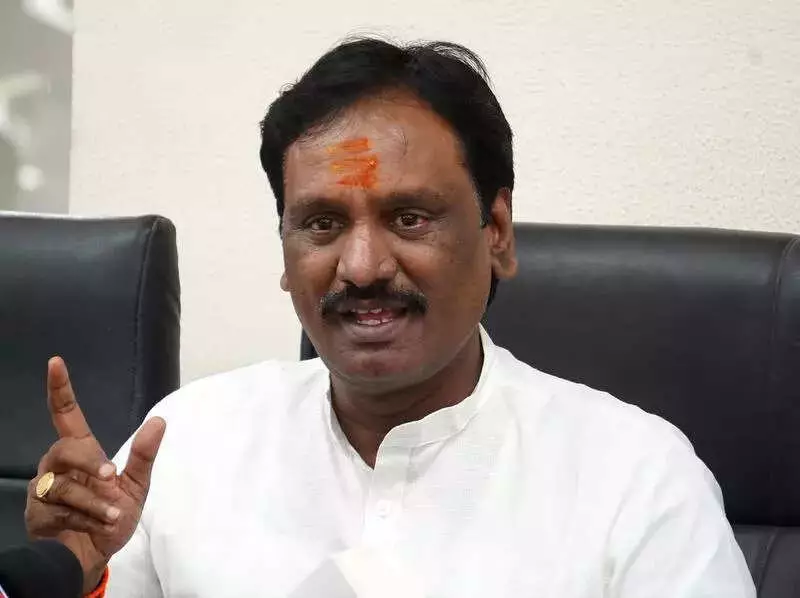
In a significant development from Chhatrapati Sambhajinagar, Shiv Sena (UBT) member and former leader of opposition in the legislative council, Ambadas Danve, has made a strong appeal to the Maharashtra government. On Friday, he urged the state administration to present a comprehensive white paper that details the actual conversion of foreign direct investment (FDI) announcements made at the World Economic Forum (WEF) in Davos over the last three years.
Allegations of Inflated Investment Figures
Danve raised serious concerns about the state's Davos outreach, alleging that several memoranda of understanding (MoUs) were signed primarily to inflate investment figures without resulting in tangible projects or employment opportunities. He demanded clarity from Chief Minister Devendra Fadnavis and Industries Minister Uday Samant regarding what he described as the "conversion rate" of these investment announcements.
In a pointed social media post tagging both leaders, Danve questioned whether the widely publicised investment numbers represented "an inflated bubble or actual reality." He expressed frustration with the annual narrative, stating, "Every year, the government visits Davos and repeats the same story of MoUs worth lakhs of crores of rupees. But what is the situation on the ground? The CM must respond."

Specific Examples of Unfulfilled Promises
The Shiv Sena (UBT) politician cited concrete examples to support his claims. He pointed to the ‘New Era Cleantech' project announced in 2023, which had promised to create 15,000 jobs in Chandrapur. "Two years have passed, yet not a single brick has been laid. Was this investment only on paper? Is this not a betrayal of Vidarbha's youth?" he asked passionately.
Danve also questioned the logic behind signing agreements with companies already well-established in Maharashtra. Referring to prominent groups like Lodha, Raheja, Panchshil, and SBG, he remarked, "These are not foreign firms. They already operate here. Why spend crores of rupees of public money to travel to Switzerland just to sign MoUs with them? Is the intention merely to inflate FDI figures?"
Financial Risks and Accountability Concerns
Highlighting potential financial vulnerabilities, Danve warned that MoUs signed at international events often enable firms to secure substantial bank loans without adequate scrutiny of their financial strength. He raised alarming questions about projects like Surjagad Ispat, suggesting they might use such MoUs to obtain large loans. "If these projects collapse, public money is at risk. Is the government allowing banks' treasuries to be drained without proper checks?" he inquired.
The former opposition leader further demanded detailed information on several critical aspects:
- How many Davos MoUs were subsequently abandoned
- The reasons cited by companies for withdrawing from agreements
- The actual number of jobs generated from these investments so far
"What is the conversion rate of these agreements? How many youths have truly found employment?" Danve emphasized, calling for concrete data rather than mere announcements.
Call for Policy Shift and Greater Transparency
Advocating for a fundamental change in approach, Danve urged the government to move away from what he termed "event-driven politics" and instead publish a transparent, comprehensive white paper on investments and employment in Maharashtra. "The time has come to go beyond announcements and present a clear account of investments and job creation," he asserted, stressing the need for accountability and measurable outcomes.
This demand for greater transparency comes at a crucial time when Maharashtra continues to position itself as a leading investment destination, making the actual conversion of promised investments into real projects and employment particularly significant for the state's economic development and public trust.