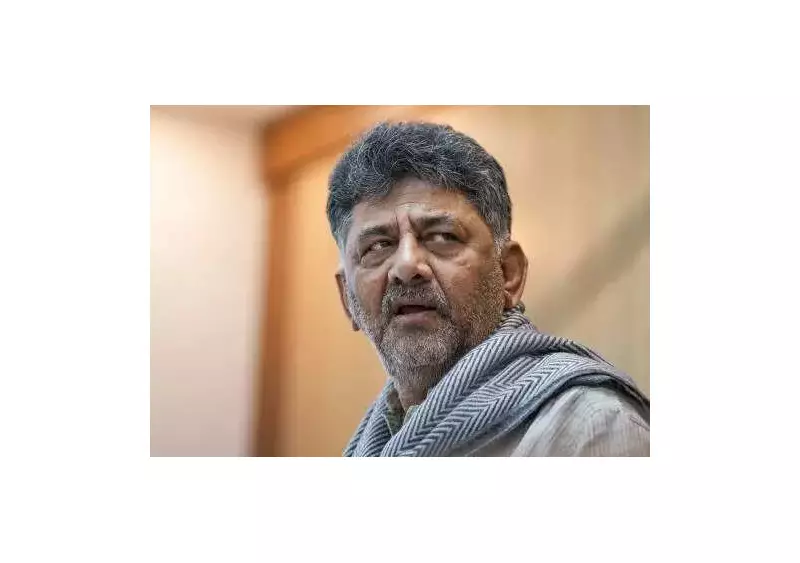
In a decisive statement, Karnataka Deputy Chief Minister D K Shivakumar clarified on Thursday that the state government's hands are tied regarding any modifications to the Bengaluru-Mysuru Infrastructure Corridor (BMIC) project. This comes in light of a binding directive from the Supreme Court of India.
Supreme Court Mandate Leaves No Room for Alteration
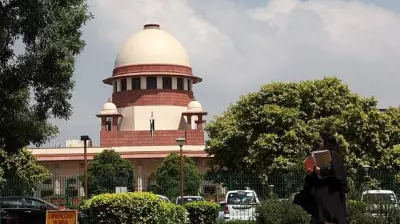
Shivakumar explained that a three-judge bench of the Supreme Court has issued a clear ruling. The court has mandated that the framework agreement for the crucial BMIC project must be executed in its original form, adhering to both the letter and spirit of the agreement. Consequently, the minister stated there is absolutely no scope for any changes. This includes modifications to the project's alignment or any addition or deletion of land parcels involved in the ambitious infrastructure plan.
Transport Minister Attributes RTC Crisis to Previous BJP Regime
In a separate development within the state cabinet, Transport Minister Ramalinga Reddy addressed the severe financial and operational woes plaguing the state-run road transport corporations (RTCs). Responding to concerns raised by MLC Bharathi Shetty regarding frequent bus breakdowns and poor maintenance, Reddy pointed the finger at the previous government.
The minister attributed the mounting losses and acute financial strain faced by the RTCs largely to liabilities inherited from the previous BJP-led administration. He elaborated that this persistent financial stress has directly impacted the corporations' ability to maintain their fleet adequately, leading to a decline in service quality and reliability for passengers.
Implications and the Road Ahead
These twin announcements highlight significant challenges for the Karnataka government. On one hand, it must proceed with a major infrastructure project under strict judicial oversight, limiting its administrative flexibility. On the other, it must navigate and rectify a deep-seated financial crisis in the public transport sector, which it claims was bequeathed by its political predecessors. The state's ability to manage these issues will be closely watched by citizens and stakeholders alike.