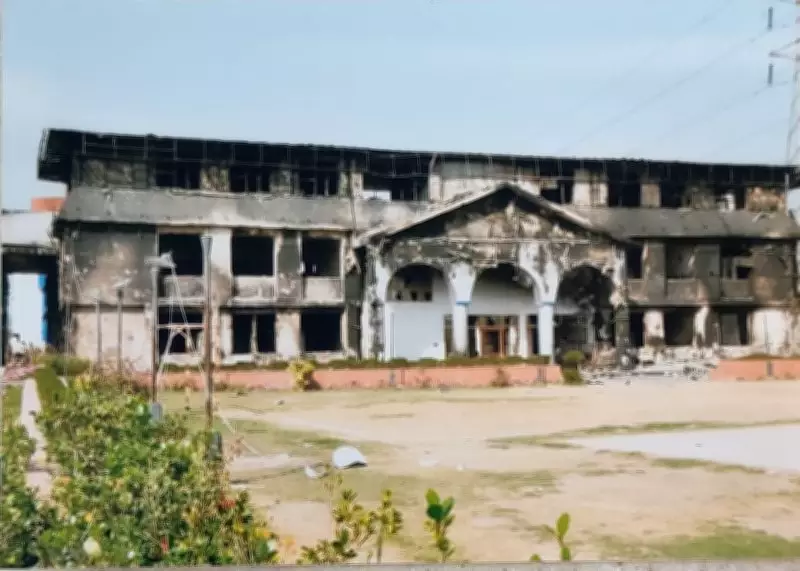
A Decade After Rohtak Burned: The Lingering Scars Run Deep
It has been ten long years since the city of Rohtak in Haryana was engulfed in flames of violence, yet the scars from those dark days remain etched deeply into the fabric of the community. The events that unfolded during that period left an indelible mark on the residents, with many still grappling with the psychological and social aftermath. This in-depth look explores how the trauma has persisted, shaping lives and relationships in ways that are often invisible to the outside world.
The Unforgettable Events of a Decade Ago
In 2014, Rohtak witnessed widespread unrest and violence that resulted in significant property damage, injuries, and a profound sense of fear among the populace. The triggers for the violence were complex, involving social, political, and economic tensions that had been simmering for years. When the situation escalated, it led to clashes that disrupted daily life and left many families shattered. The immediate aftermath saw efforts to restore order, but the deeper wounds proved harder to heal.
Eyewitness accounts from that time describe scenes of chaos and despair, with businesses destroyed and homes vandalized. The violence not only caused physical harm but also eroded trust within the community, creating divisions that have been difficult to bridge. A decade later, residents recall those days with a mix of sorrow and resignation, highlighting how the events have left a lasting impact on their sense of security and belonging.

Psychological and Social Scars That Persist
The psychological toll of the violence has been immense, with many individuals suffering from post-traumatic stress disorder (PTSD), anxiety, and depression. Mental health professionals in the area report that a significant number of residents continue to seek counseling for issues related to the trauma, even after all these years. The fear of recurrence looms large, affecting how people interact with each other and engage in public spaces.
Socially, the scars are evident in the strained relationships between different groups within Rohtak. The violence exacerbated existing fault lines, leading to a breakdown in communication and cooperation. Community leaders have made efforts to foster reconciliation, but progress has been slow, with many residents remaining wary and isolated. This has hindered collective healing and the rebuilding of a cohesive social fabric.
Economic and Developmental Setbacks
Beyond the human cost, the violence had severe economic repercussions for Rohtak. Local businesses, particularly small enterprises, suffered heavy losses due to the destruction and subsequent decline in consumer confidence. Recovery has been uneven, with some areas still struggling to regain their pre-violence economic vitality. The disruption also affected developmental projects, delaying infrastructure improvements and social initiatives aimed at uplifting the community.
Government schemes and aid programs were implemented in the aftermath, but their effectiveness has been questioned by residents who feel that the support was insufficient or poorly targeted. This has contributed to a sense of neglect and frustration, further complicating the healing process. The economic scars, combined with the psychological ones, have created a cycle of hardship that many find difficult to escape.
Moving Forward: Challenges and Hopes for the Future
As Rohtak marks a decade since the violence, there are glimmers of hope amid the challenges. Some community initiatives have emerged to promote dialogue and healing, such as interfaith gatherings and cultural events designed to rebuild trust. However, these efforts face obstacles, including lingering suspicions and the slow pace of change. Experts emphasize the need for sustained psychological support and inclusive policies to address the root causes of the unrest.
The road to full recovery remains long, but many residents are determined to overcome the scars of the past. By acknowledging the deep wounds and working collectively towards reconciliation, there is potential for Rohtak to emerge stronger and more resilient. The lessons from this decade-old tragedy serve as a reminder of the importance of peace and unity in building a prosperous future for all.