RJD's Stinging Attack on New Minister
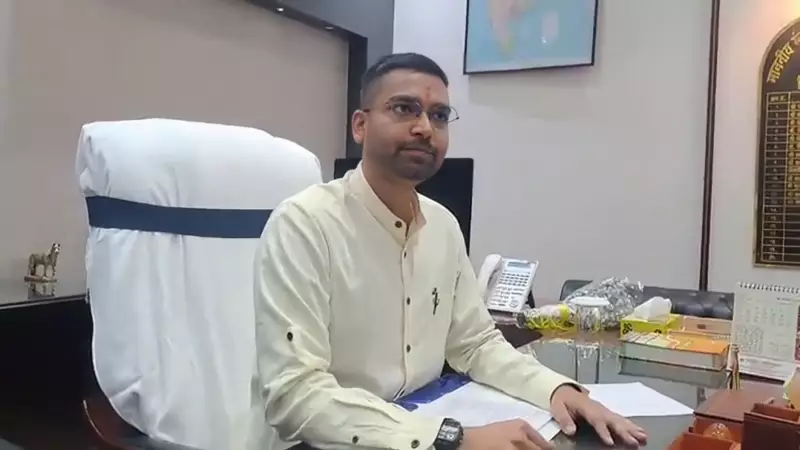
The main opposition party in Bihar, the Rashtriya Janata Dal (RJD), has launched a sharp critique against Deepak Prakash, the newly appointed minister for the Panchayati Raj department. The attack came merely a day after he assumed his cabinet position in the government led by Chief Minister Nitish Kumar.
The RJD targeted Prakash, who is the son of former Union minister Upendra Kushwaha, over what they termed his "miraculous rise" in state politics. The party highlighted his journey from being a counting agent for an Independent candidate to securing a ministerial berth without having contested an election himself.
The Viral Identity Card and Political Backstory
The political firestorm was ignited when an identity card for Prakash, identifying him as the counting agent for Independent candidate Ramayan Paswan, went viral on social media. The card, signed by the district returning officer, was issued for the vote counting that took place on November 14.

Paswan was a candidate from the Sasaram assembly seat and ended up forfeiting his security deposit after securing only 327 votes in the elections. When contacted, Minister Deepak Prakash initially claimed ignorance of the viral document. However, the Independent candidate, Ramayan Paswan, confirmed the entire episode and expressed his happiness over Prakash's new role.
"I never knew that the person who was my counting agent would become a minister," Paswan told the media over the phone. He added that he had called the minister to congratulate him personally.
Paswan further explained that Prakash agreed to be his counting agent because Paswan had lent his support to Prakash's mother, Snehlata Kushwaha. Snehlata, the wife of RLM president Upendra Kushwaha, contested and won the Sasaram seat, defeating her nearest RJD rival by a margin of over 25,000 votes.
A History of Similar Appointments
While the RJD ridiculed Prakash for becoming a minister without being a member of either House of the state legislature, social media users were quick to point out the opposition party's own history. They noted that the RJD itself had set a similar precedent in the past.
One user highlighted, "When Rabri Devi became the CM in July 1997, she too was not a member of any House. Was there no other leader in RJD worthy of becoming chief minister?" This defense underscored that such appointments are not unprecedented in Indian political history.
The RJD's social media post had sarcastically questioned the development, asking, "In Sasaram, Deepak Prakash... became a minister in the Nitish govt without even contesting the election... Hai na Modi-Nitish ka jadu?" The post concluded with a parting shot: "Ab aur kaisa vikas chahiye Bihar mein?"
This incident marks another chapter in Bihar's vibrant and often contentious political landscape, raising questions about political appointments and the pathways to power.