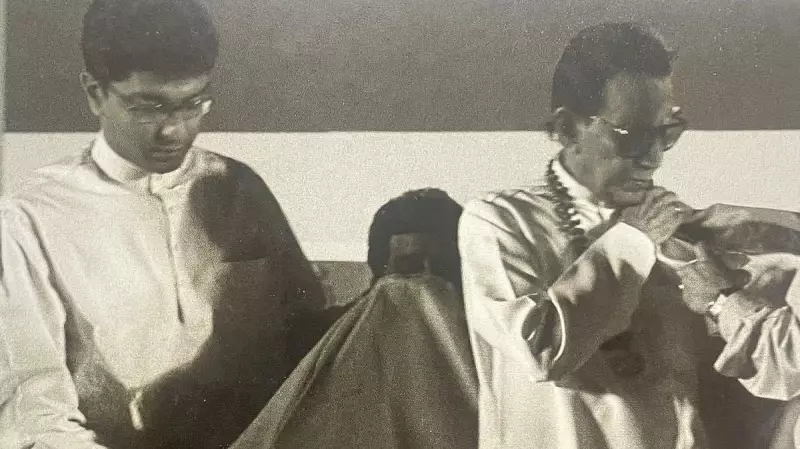
In a heartfelt revelation that sheds light on the deep personal and political rifts within one of Maharashtra's most influential families, Maharashtra Navnirman Sena (MNS) President Raj Thackeray has spoken candidly about the emotional weight of his past decisions. During a recent public interaction, Thackeray expressed that not being able to meet his uncle and Shiv Sena founder, the late Bal Thackeray, before his passing was an experience more painful than his own departure from the Shiv Sena party.
A Personal Confession Amid Political Turmoil
Raj Thackeray, who founded the MNS in 2006 after leaving the Shiv Sena, has often been at the center of Maharashtra's volatile political landscape. However, his latest comments shift the focus from political strategy to personal anguish. He described the inability to connect with Bal Thackeray, a towering figure in Indian politics and his mentor, as a profound source of regret. This admission highlights the complex interplay between family loyalties and political ambitions that has defined the Thackeray dynasty for decades.
The Legacy of Bal Thackeray and Its Impact
Bal Thackeray, fondly known as 'Balasaheb' by supporters, was not just a political leader but a cultural icon in Maharashtra. His death in 2012 left a void in the state's politics, and his absence has continued to influence the trajectories of both Shiv Sena and MNS. Raj Thackeray's remarks underscore how this personal loss transcended political rivalries, affecting him on a deeply human level. He emphasized that while quitting Shiv Sena was a calculated political move, the missed opportunity for a final meeting with his uncle carried an emotional toll that was far greater.

Reflections on Shiv Sena's Evolution and MNS's Journey
The Shiv Sena, under Bal Thackeray's leadership, rose to prominence as a regional force advocating for Marathi interests. Raj Thackeray's exit and the subsequent formation of MNS marked a significant split, leading to years of competition between the two parties. In his statement, Thackeray did not delve into the specifics of his departure but instead focused on the personal ramifications. This perspective offers a unique glimpse into how political figures navigate the delicate balance between public personas and private sentiments, especially in a family-driven political environment like Maharashtra's.
As Maharashtra continues to witness shifting alliances and electoral battles, Raj Thackeray's confession serves as a reminder of the human stories behind the headlines. It also raises questions about the future of MNS and its role in the state's politics, particularly in relation to Shiv Sena's ongoing legacy. For now, Thackeray's words resonate as a poignant testament to the enduring impact of familial bonds, even in the cutthroat world of politics.