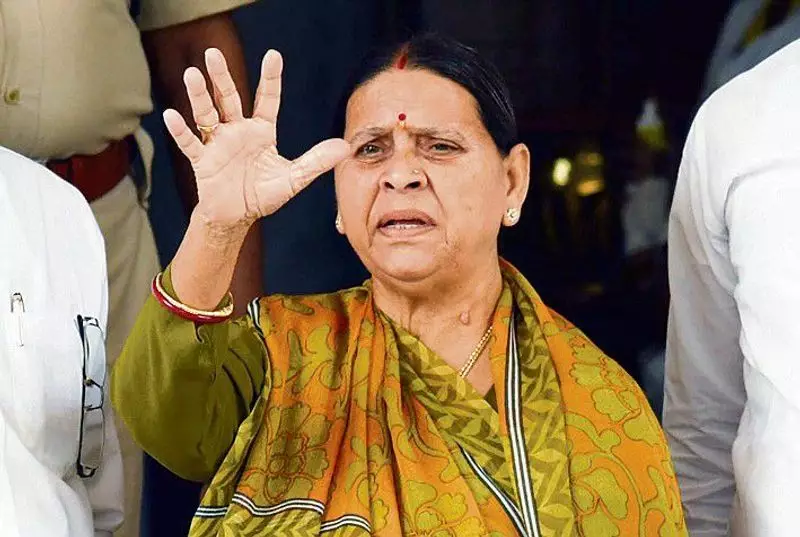
Former Bihar Chief Minister Rabri Devi has approached the Supreme Court of India seeking the transfer of four criminal cases against her from Bihar to Delhi. The prominent Rashtriya Janata Dal (RJD) leader filed the petition citing concerns about fair trial and potential political bias in her home state.
Legal Grounds for Case Transfer
In her petition before the apex court, Rabri Devi has expressed serious apprehensions about receiving a fair hearing in Bihar. The veteran politician argued that the current political atmosphere in Bihar makes it difficult for her to expect impartial proceedings. She specifically highlighted concerns about potential bias in the handling of her cases within the state's judicial system.
The cases in question include investigations being conducted by both the Central Bureau of Investigation (CBI) and the Enforcement Directorate (ED). These agencies have been probing various allegations against the former chief minister, though specific details about the nature of these cases remain undisclosed in the public petition.
Political Context and Timing
This legal move comes at a crucial juncture in Bihar politics, with the RJD playing a significant role in the opposition landscape. Rabri Devi, who served as Bihar's chief minister from 1997 to 2005, remains an influential figure in state politics alongside her husband, RJD supremo Lalu Prasad Yadav.
The timing of this petition is particularly significant as it emerges amidst ongoing political tensions in the state. Legal experts suggest that such transfer petitions are becoming increasingly common among political figures who question the neutrality of state-level investigations and judicial processes.
Broader Implications
The outcome of Rabri Devi's petition could set important precedents for how cases involving high-profile political figures are handled across state jurisdictions. If the Supreme Court grants her request, it would mark a significant development in the ongoing legal battles involving the Yadav political family.
This case also highlights the increasing trend of political leaders seeking judicial interventions to change trial venues, reflecting concerns about the intersection of politics and law enforcement in various states. The decision could influence how similar petitions are treated in the future, particularly for opposition leaders facing investigations in states ruled by political rivals.
The Supreme Court is expected to hear the petition soon, with legal observers closely watching the proceedings. The court's decision on whether to transfer these cases to Delhi will undoubtedly have substantial political ramifications in Bihar and potentially at the national level.