The Punjab government has successfully concluded the first phase of its revamped mining auction process, generating significant revenue and marking a shift towards greater transparency in the sector.
Phase I Auction Yields Strong Results
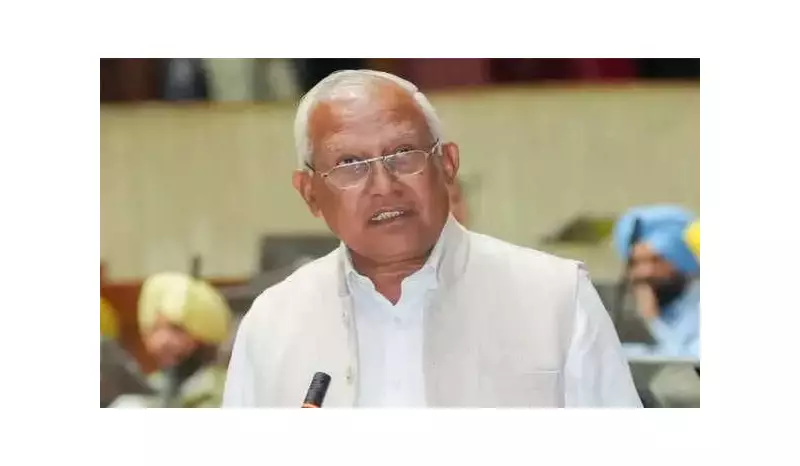
State Mining and Geology Minister Barinder Kumar Goyal announced on Sunday that the government auctioned 29 new commercial mining sites through an open and competitive online bidding process. These fresh auctions, conducted across the state, resulted in 16 successful bids and have already contributed Rs 11.61 crore to the state's revenue. The auctions were floated during October-November 2025.
Minister Goyal emphasized his government's commitment to ending opacity in mining. "Our govt is committed to ending opacity in mining and ensuring that natural resources are used for the benefit of the people," he stated. He explained that the move to transparent online auctions is a multi-pronged strategy aimed at protecting state revenue, creating a level playing field for genuine operators, and effectively curbing illegal mining activities.

Structural Reforms to Overhaul the System
The successful bids follow major, cabinet-approved reforms to the auction framework under the amended Punjab Minor Mineral Rules. The minister pointed out that the old system was fundamentally flawed.
Previously, auctions were volume-based, where bidders competed by offering to operationalise the maximum share of a site. This often led to bidders quoting identical volumes, frequently 100%, forcing the final selection to be done by a draw of lots. This approach had several negative consequences over time:
- Reduced revenue realisation for the state.
- Proliferation of non-serious bidders.
- Limited investment commitment from leaseholders.
- Significant delays in making mines operational, as the responsibility for obtaining environmental clearances rested with the government.
"To address these systemic flaws, the state cabinet approved a series of structural reforms aligned with best practices followed across India," Goyal added.
Key Features of the New Auction Framework
The new system introduces several critical changes designed to ensure efficiency and fairness:
1. Competitive Price Bidding: Auctions will now be based on competitive price bidding instead of volume, ensuring fair allocation and improved revenue outcomes for the state.
2. Upfront and Advance Payments: To demonstrate seriousness, bidders are now required to make upfront payments. Furthermore, royalty payments will be collected in advance to ensure steady revenue flows for the government.
3. Shift in Clearance Responsibility: In a major change, the responsibility for obtaining environmental clearances has been shifted to the bidders. This move is expected to significantly reduce delays in making the mines operational.
4. Clear Dead Rent Provisions: The new rules introduce clear dead rent provisions. This means bidders must make minimum payments even if the mines are not operationalised, which will prevent speculative bidding.
5. Extended Lease Tenure: To provide greater stability and planning certainty to operators, the lease tenures have been extended from three years to five years.
Future Phases and Expected Outcomes
Minister Goyal clarified that Phase I is just the beginning. While 29 sites were auctioned in this round, the government plans to bring nearly 100 additional sites to auction in staggered phases.
The comprehensive reforms are projected to have a wide-ranging positive impact. They are expected to expand the legal supply of raw materials for the construction and infrastructure sectors, accelerate operational timelines for mines, strengthen regulatory clarity for investors and operators, and substantially increase government revenues from the mining sector in the long term.
This overhaul represents Punjab's decisive step towards a more transparent, efficient, and revenue-generating mining industry, aligning it with national best practices.