Punjab Government Pressed to Submit Draft Sacrilege Legislation to SGPC and Sikh Organizations
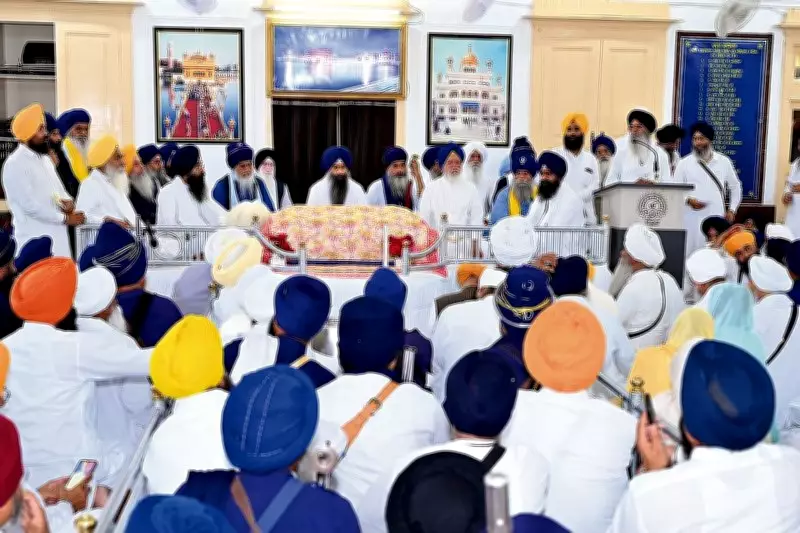
In a significant development, Sikh organizations across Punjab have issued a formal call for the state government to forward its proposed draft sacrilege law to the Shiromani Gurdwara Parbandhak Committee (SGPC) and other prominent Sikh bodies for thorough review and feedback. This demand underscores the critical need for community consultation in shaping legislation that directly impacts religious sentiments and legal frameworks in the region.
Growing Demands for Inclusive Legislative Process
The push comes amid rising concerns over incidents of sacrilege, which have sparked widespread protests and political debates in Punjab. Sikh leaders argue that any law addressing such sensitive matters must incorporate input from the Sikh community to ensure it aligns with religious principles and societal expectations. By involving the SGPC—the apex religious body of Sikhs—and other organizations, the government can foster greater transparency and legitimacy in the legislative process.
Key stakeholders emphasize that this step is not merely procedural but essential for upholding democratic values and religious harmony. They highlight that past controversies have often arisen from laws perceived as imposed without adequate community dialogue, leading to unrest and legal challenges.

Implications for Punjab's Political and Social Landscape
The draft sacrilege law, once finalized, is expected to introduce stricter penalties and clearer definitions for acts of desecration, aiming to deter future incidents and provide justice for affected communities. However, its effectiveness and acceptance hinge on broad-based support from Sikh institutions. Failure to engage these bodies could risk undermining the law's credibility and exacerbating tensions.
Political analysts note that this issue intersects with broader governance challenges in Punjab, where religious identity plays a pivotal role in public policy. The government's response to these demands will be closely watched, as it could influence electoral dynamics and inter-community relations in the state.
- Enhanced community involvement in lawmaking processes.
- Potential for reduced conflicts through collaborative drafting.
- Strengthened legal frameworks against sacrilege with religious backing.
In summary, the call to send the draft sacrilege law to the SGPC and Sikh bodies represents a crucial moment for Punjab's legislative and social fabric. It highlights the ongoing struggle to balance legal authority with religious autonomy, setting a precedent for how sensitive issues are handled in a diverse democracy.