Punjab's Power Tariff Cycle: A Two-Decade Pattern of Election-Year Dips and Post-Poll Hikes
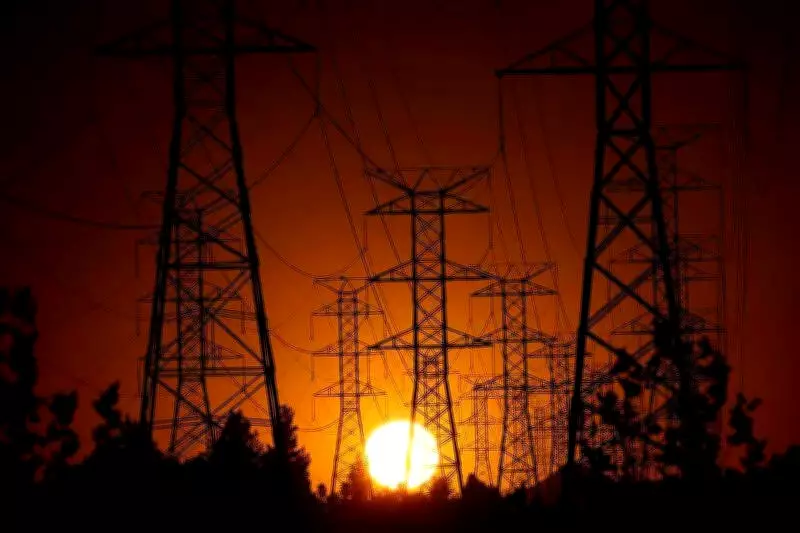
Electricity tariffs in Punjab have followed a predictable and consistent cycle over the past two decades, with consumers benefiting from freezes or cuts in election years, only to face steep, multi-fold hikes soon after the polls conclude. An analysis of tariff data from 2002 to 2024 shows a persistent pattern of "election-year dips" followed by "post-election jumps," regardless of the political party in power. This trend highlights how successive state governments have manipulated power pricing for electoral gains, often at the expense of long-term fiscal health.
Political Pressure and Regulatory Deferrals
Successive state governments have consistently exerted pressure on the Punjab State Electricity Regulatory Commission (PSERC) to defer tariff hikes ahead of elections. Once a new government assumes office, the worsening finances of the debt-laden Punjab State Power Corporation Limited (PSPCL) necessitate steep "corrective" hikes to bridge mounting revenue gaps. This cycle has repeated itself across multiple administrations, undermining regulatory autonomy and financial planning.
Historical Tariff Shifts Under Different Governments
Under the SAD-BJP government, led by Chief Minister Parkash Singh Badal, electricity tariffs were largely kept stable in the pre-election period of 2001-02. After the Congress came to power under CM Capt Amarinder Singh in 2002-03, a sharp hike was introduced to address the fiscal deficit inherited by the power utility. Tariffs then rose steadily as the government attempted to rationalize free power, before being frozen again in 2006-07 ahead of the next assembly polls.

In 2006-07, the outgoing Congress government avoided any increase or cut to appeal to voters. After the SAD-BJP alliance returned to power in 2007-08, it announced a steep hike as PSPCL losses mounted. Over the 2007–2012 term, tariffs increased by 25–30% across different consumer slabs. After securing a second consecutive term, the SAD-BJP government sanctioned a significant nearly 12% tariff hike in 2012-13.
Ahead of the 2017 polls, tariffs were reduced by 35-40 paise per unit for several consumer categories in 2016-17. The Congress returned to power under CM Capt Amarinder Singh in 2017-18 and imposed a retrospective hike of about 9.33% within months of assuming office. Capt Amarinder unceremoniously resigned as CM, following which Charanjit Singh Channi was elevated as Punjab CM in September 2021. Ahead of the 2022 elections, Channi announced a Rs 3 per unit cut in domestic tariffs, a move that significantly increased the state's subsidy burden.
Recent Developments Under AAP Government
The Aam Aadmi Party, led by CM Bhagwant Mann, took charge in 2022 and introduced 300 units of free power for households. Despite this populist scheme, tariffs for consumers exceeding the limit and for industrial and commercial users were increased by 50–70 paise per unit, or approximately 8–10%, in 2023-24 to bridge a revenue gap exceeding Rs 6,000 crore. This highlights how even new administrations resort to post-election adjustments to manage financial pressures.
Data Analysis: Election Years vs. Post-Election Years
The analysis revealed that the average cost of supply for domestic consumers stood at roughly Rs 3.00–Rs 3.50 per unit in 2002-03. By 2024-25, the average cost of supply (ACoS) surged to 715.55 paise, or Rs 7.16, per unit, marking a cumulative increase of over 110% in nominal power costs over the past two decades.
Historical data from 2002 to 2025 illustrates the cyclical nature of tariffs. During election years, such as 2006-07, 2016-17, and 2021-22, the state saw either zero growth or marginal reductions of 0.00%, -0.65%, and -0.89%, respectively. In contrast, post-election years witnessed "catch-up" hikes to address mounting revenue requirements, including 10.00% in 2002-03, 4.90% in 2007-08, 12.08% in 2012-13, and 9.33% in 2017-18. After the 2022 polls, an 8.64% hike was implemented in 2023-24, with ACoS reaching 7.04 Rs./Kwh before rising to 7.16 Rs./Kwh in 2024-25.

Expert Insights and Broader Implications
Power experts note that over the last two decades, subsidies and free-power schemes have shielded lower-income households, while the burden of election-year freezes has shifted to industrial users and upper-middle-class domestic consumers through sharp post-poll corrections. The data underscores a political strategy where electoral optics take precedence over fiscal sustainability, raising critical questions about long-term financial planning, regulatory autonomy, and the cost of populist governance in Punjab.
This pattern not only impacts consumer wallets but also strains the state's economy, as industrial sectors face higher operational costs. The cycle of dips and hikes reflects a broader issue of short-term political maneuvering at the expense of stable and sustainable energy policies.