Pune Women's Collective Issues Comprehensive Civic Charter Before Upcoming Elections
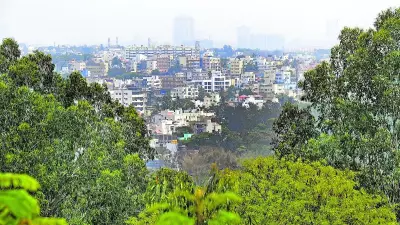
The Stree Mukti Andolan Sampark Samiti has taken a bold step ahead of the January 15 polls. This women's collective has unveiled a detailed manifesto. It outlines a broad spectrum of civic, social, and governance demands specifically for Pune, Pimpri Chinchwad, and other cities voting soon.
A Manifesto Born from Grassroots Consultations
The group prepared this document through extensive discussions. They consulted with various women's organisations, trade unions, and grassroots activists. This process ensured the manifesto truly reflects community concerns.
The document voices sharp criticism of the current electoral climate. It alleges widespread misuse of money and political power. The group claims coercive tactics are stifling genuine democratic competition.

"Elections have become a mockery of democracy," the collective stated. They argue this erosion pushes women's real civic issues to the sidelines. Short-term inducements and tokenistic outreach often replace substantive engagement.
Core Demands for Democratic Integrity and Civic Life
Representative Suniti SR explained the manifesto's primary goals to TOI. "It calls for clean and democratic elections," she said. The document stresses the need for accountable representatives. It also advocates for structural electoral reforms.
These proposed reforms include introducing proportional representation. The manifesto also pushes for state-funded elections. A review of the anti-defection law is another key demand.
The Sampark Samiti has made a direct appeal to women voters. They urge them to resist pressure and incentives. The group encourages supporting candidates who demonstrate integrity and a proven commitment to public welfare.
Specific Civic and Environmental Demands
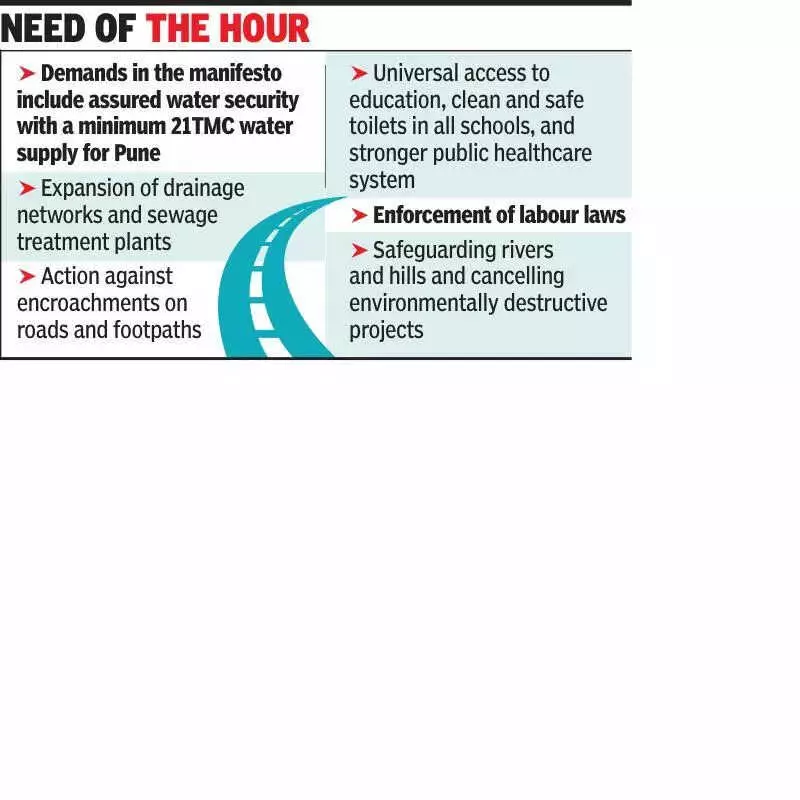
The manifesto presents concrete proposals for urban improvement. A major focus is on water security. It demands a minimum 21 TMC water supply for Pune. The charter also calls for free and timely water delivery in areas facing chronic shortages.
Infrastructure expansion is another priority. The group wants wider drainage networks and more sewage treatment plants. They insist on strict monitoring and control of both water and air pollution.
Public transport receives significant attention. Demands include a major expansion of bus services. The target is at least 30 buses per lakh population. The manifesto seeks a rollback of recent fare hikes. It also calls for safer, well-lit bus stops equipped with CCTV cameras.
The charter seeks firm action against traffic congestion. It also demands the removal of encroachments on roads and footpaths.
Social Sector and Worker Protections
In the social realm, the manifesto advocates for universal access to education. It insists on clean and safe toilets in all schools. A stronger public healthcare system is a fundamental demand.
The group explicitly opposes expanding public-private partnership models in healthcare. Instead, they seek a doubling of civic health budgets. The expansion of Mohalla Clinics and the strengthening of municipal hospitals are crucial goals.
The document highlights the need for empowering schemes for the urban poor. It advocates for 100% door-to-door waste segregation. The establishment of childcare centres at the settlement level is another key point.
Strict enforcement of labour laws is a major demand. This includes rigorous application of the Prevention of Sexual Harassment Act for women workers.
A Commitment to Environmental Protection and Accountability
Environmental protection forms a central pillar of the manifesto. Demands include safeguarding rivers and hills. The group wants environmentally destructive projects cancelled. They call for concrete steps towards creating a pollution-free city.
The Sampark Samiti stated this manifesto directly reflects women's lived experiences in urban areas. They plan to use this document as a tool for accountability. It will help hold candidates and elected representatives responsible long after the election campaign ends.